A forthcoming review into the troubled HS2 rail project is expected to attribute its significant failings to an overemphasis on achieving the highest possible train speeds and the impact of political pressures. The findings, authored by former National Security Adviser Sir Stephen Lovegrove, are anticipated to echo previous assessments that identified "original sins" within the project, including shifting political priorities and escalating costs.
The review, set to be published this week, has examined the implications for the civil service and public sector management of large-scale infrastructure projects. It is also expected to highlight the concept of "gold-plating" within HS2's design, leading to a bespoke and highly engineered solution that contributed to its ballooning expenses.
Transport Secretary Heidi Alexander, who initiated a "reset" of the scheme in March, had previously asked HS2 bosses to explore options for reducing train speeds as a cost-saving measure. In the coming days, Alexander is expected to officially confirm that train services will not commence by the current target date of 2033. An updated cost estimate for the project is also anticipated, with widespread expectations that the total expenditure will surpass £100 billion.
Initially conceived in 2012 with the primary goal of increasing capacity on the UK's rail network, HS2 has been plagued by escalating costs and significant delays. The original plan envisioned the line running from London to Birmingham, with extensions to Leeds and Manchester. However, the government announced the cancellation of the eastern leg to Leeds in 2021. Subsequently, in 2023, the section connecting Manchester and Birmingham was also scrapped.
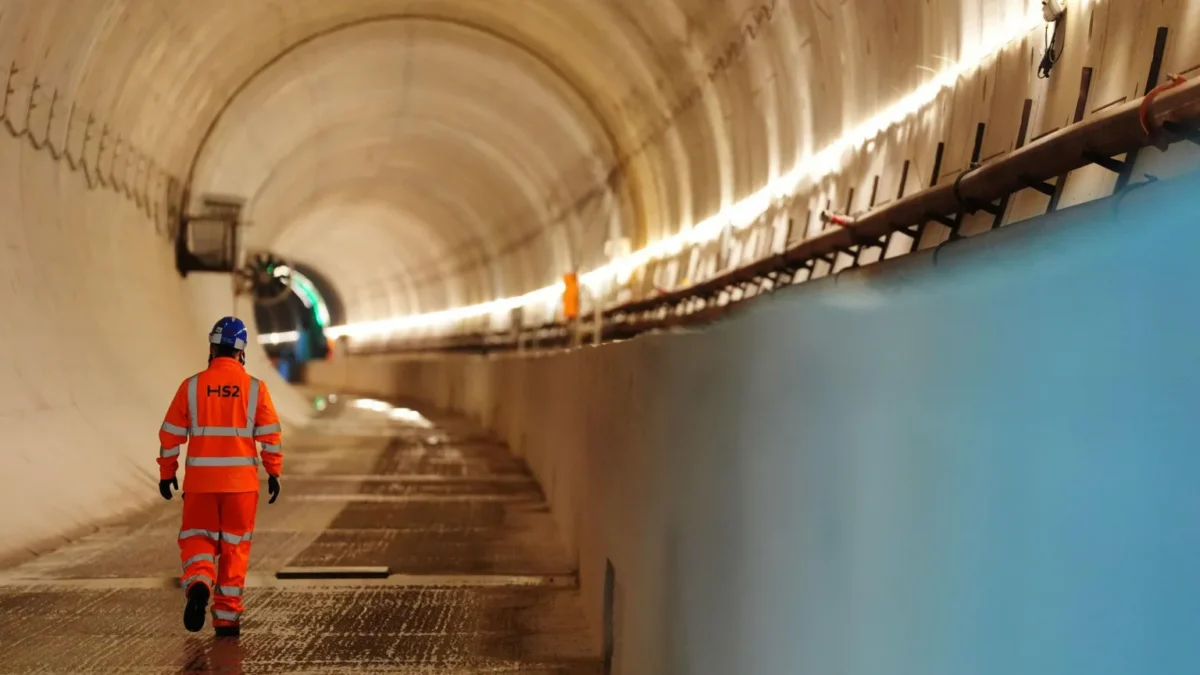
Despite these setbacks, the project remains in its critical construction phase. Key structures, such as the 10-mile tunnel beneath the Chilterns and the Colne Valley viaduct, have reached completion. To address the project's challenges and realign its focus, HS2 Ltd has previously announced measures to slow or pause work on certain sections, like the line towards Handsacre. This strategic shift aims to concentrate spending on areas that have fallen behind schedule, particularly the central section spanning Buckinghamshire, Oxfordshire, and Northamptonshire.
HS2 was designed to accommodate trains traveling at speeds up to 360 km/h (224 mph), a velocity that would have made it the fastest conventional railway globally. For comparison, most high-speed trains in the UK operate at around 220 km/h, while HS1, the Channel Tunnel Rail Link, reaches speeds of up to 300 km/h. The decision to potentially reduce these top speeds reflects a broader effort to manage the project's financial trajectory and delivery timeline.


