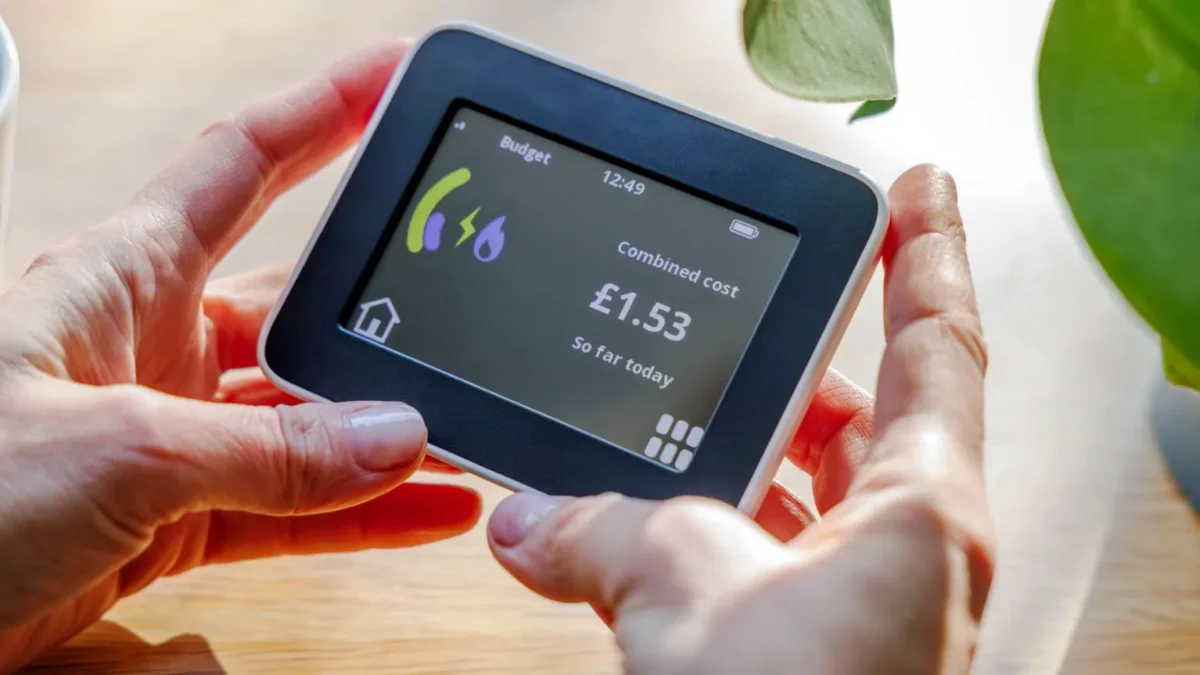
Even as summer temperatures rise, households are being advised to prepare for an increase in energy prices starting in July. Analysts predict that the cost of gas will drive bills higher, with these elevated prices likely to persist through the winter months. Experts emphasize that taking proactive steps now can lead to significant savings later, even for those who believe they have already maximized their energy efficiency efforts.
One strategy for managing costs is to consider fixed-rate energy tariffs. Approximately 22 million households, representing about 40% of all billpayers, currently benefit from the predictability of fixed tariffs. These agreements lock in the cost per unit of energy for a set period, typically one year, offering a shield against price fluctuations. However, it's important to note that the overall bill amount still depends on the volume of energy consumed. While current market options are generally cheaper than the official price cap, consumers should be aware that substantial drops in international energy prices could diminish the savings offered by fixed deals.
Regulator Ofgem highlights that the method of payment can also impact household budgets. Opting for a quarterly bill payment instead of a monthly direct debit can result in an additional annual cost of approximately £140. Despite this, around seven million households still utilize these standard credit accounts, often preferring the quarterly billing cycle. For those seeking to reduce immediate expenses, transitioning to a monthly direct debit could offer a noticeable saving.
Proactive Energy Efficiency Measures
While the record-breaking May heatwave might seem counterintuitive for winter preparations, experts suggest it's an ideal time to enhance home energy efficiency. Simple measures such as blocking draughts, adjusting cooking habits, bleeding radiators, and generally improving insulation can make a difference. Even small changes, like shortening shower times, can contribute to overall energy reduction. Resources like egg timers or even curated playlists can help individuals adhere to shorter shower durations.
Furthermore, consumers are encouraged to investigate potential eligibility for grants and support schemes. Significant funds remain unclaimed within the benefits system, with Pension Credit being notably underutilized despite its potential to provide financial assistance and act as a gateway to other benefits for older individuals. Local councils often administer schemes offering grants for energy efficiency improvements, with eligibility criteria varying based on income and location. Organizations like Citizens Advice can assist individuals in determining if they qualify for such support.
Addressing Energy Debt
Collectively, households in the UK owe an estimated £4.5 billion in unpaid energy bills and charges. Energy suppliers have indicated a willingness to offer relief to customers facing financial difficulties. This relief can take various forms, including partial or full write-offs of debt, the establishment of manageable payment plans, or assistance with the purchase of essential white goods. Crucially, suppliers emphasize that such support is contingent upon customers proactively communicating their struggles. Information on available support measures can typically be found through individual energy suppliers.


