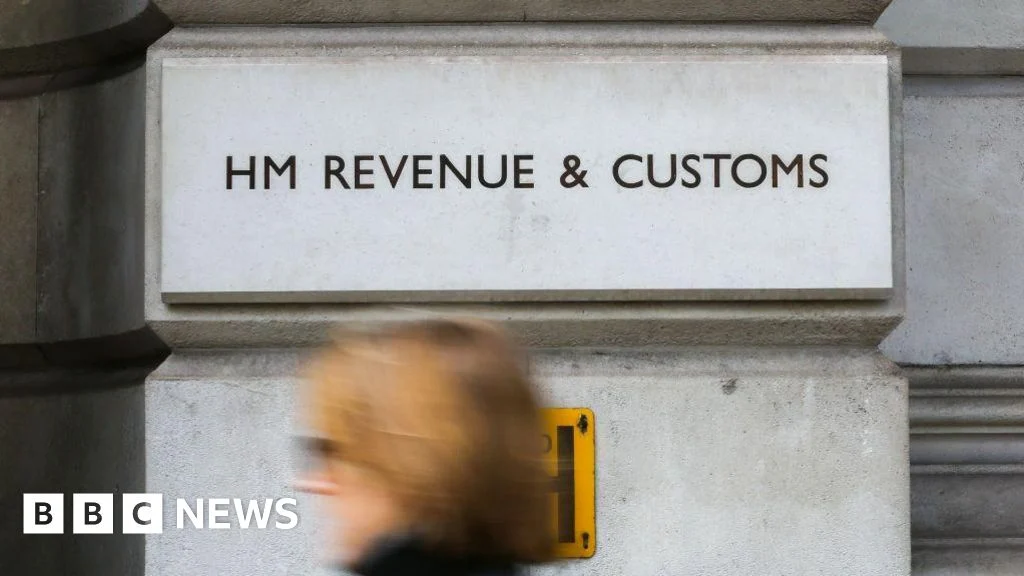
HM Revenue and Customs (HMRC) has announced a 10-year, £175 million deal with British technology firm Quantexa to deploy AI-powered technology aimed at improving its performance in identifying fraud and tax return errors. Quantexa's systems will integrate data collected by HMRC with external sources to help the tax authority detect fraudulent activities and correct unintentional errors more swiftly.
The new technology will assist HMRC customer service staff and is designed to identify hidden networks of companies and individuals who may be masking fraudulent operations. This initiative comes as public dissatisfaction with HMRC's performance has reportedly increased in recent years.
According to government figures, a Freedom of Information request made by the Contentious Tax Group revealed that over 93,000 complaints were lodged against the department in the 2024-2025 period. This represents an increase from just over 70,000 complaints in 2020-21, with poor response times cited as a primary grievance.
Quantexa has stated that any automated decisions made by the AI system concerning taxpayers will still require human oversight and validation. Vishal Marria, Quantexa's chief executive, told the BBC that the new technology is intended to "support human decision-making, not replace it." He emphasized the importance of transparency in government AI applications, stating, "In government environments, AI cannot operate as a black box. Decisions need to be transparent, auditable, and explainable, particularly in areas affecting citizens directly."
Marria also assured that HMRC data will remain secure within HMRC's existing environment, and personnel working on the project for the government department will operate separately from Quantexa's broader business operations. "We never take HMRC data away from the HMRC environment," he added.
In addition to fraud detection, the company stated that the AI system will also help in tracking down legitimate payments made to HMRC that may have been submitted with incorrect reference numbers, thereby enhancing administrative efficiency.
Quantexa, a UK-based firm, has achieved a valuation of $2.6 billion (£1.9 billion) and includes major corporations such as HSBC and Vodafone among its clients. The selection of a British company for this significant contract aligns with the UK government's broader agenda to foster "digital sovereignty," aiming to reduce the nation's reliance on technology platforms and services predominantly provided by large, US-based tech firms.
This move follows other government technology procurements that have drawn scrutiny, such as the £330 million contract awarded to Palantir, an AI data processing firm, for the development of a platform for the National Health Service (NHS).


