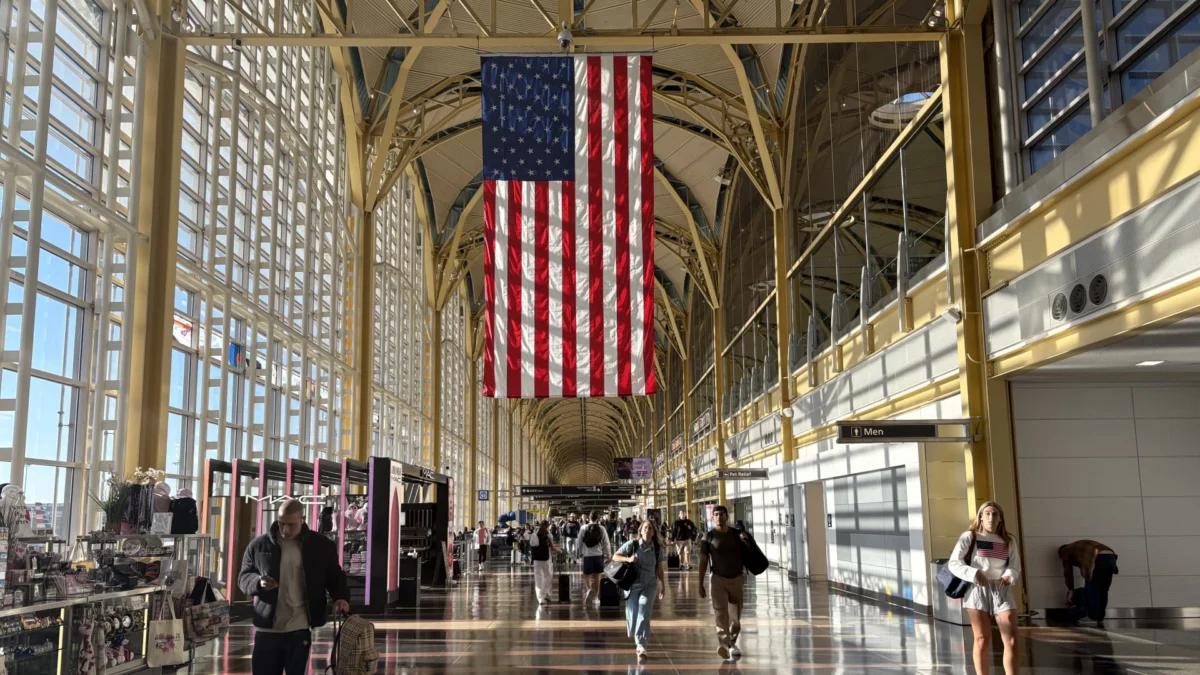
Soaring jet fuel prices and elevated gasoline costs are putting a strain on consumers’ summer vacation budgets, potentially testing the limits of travel spending as airfares reach their highest levels in four years. While travelers have largely continued to book flights and plan trips, the upcoming Memorial Day weekend, marking the unofficial start of the summer travel season, may offer a clearer picture of how much consumers are willing to pay.
Domestic round-trip airfares in April averaged $623, a figure not seen in nearly four years, according to data compiled by the Airlines Reporting Corporation, which monitors ticket sales through travel agencies. This surge in airfare comes as jet fuel prices have dramatically increased, doubling in less than three months following the conflict initiated by the U.S. and Israel’s attack on Iran, which has led to the effective closure of a key shipping channel.
Fuel Costs Impacting Airlines and Travelers
Jet fuel represents the second-largest operational expense for airlines, trailing only labor costs. In response to the escalating prices, carriers are increasingly passing these additional expenses onto their customers. This strategy is further compounded by airlines trimming their growth plans due to the higher fuel expenditures. A reduction in flights on certain routes, coupled with robust demand, could lead to even higher ticket prices as fewer seats become available.
The financial pressures are significant. United Airlines, for instance, has reportedly slashed its 2026 forecast, citing surging fuel costs, though the airline maintains that demand remains strong. Lufthansa is facing nearly $2 billion in additional fuel costs attributed to the ongoing conflict and has consequently reduced its flight schedule by 20,000 flights. These fuel spikes are directly contributing to the expectation of higher airfares and increased costs at the gas pump throughout the summer.
The impact of these rising costs is already being felt. Spirit Airlines, a prominent U.S. budget carrier, recently ceased operations, partially attributing its failure to emerge from bankruptcy to jet fuel prices. This marked the largest U.S. airline collapse in decades, removing a significant provider of low-cost fares from the market. While other airlines have moved to absorb Spirit’s customer base, the overall effect is a reduction in competitive pricing options.
Government data indicates that U.S. airlines spent 56.4% more on jet fuel in the month following the start of the Iran conflict. This increased operational cost is a primary driver behind the fare hikes observed across the industry.
Road Trip Costs and Travel Intentions
The trend of rising costs is not confined to air travel; road trips are also expected to be more expensive. AAA forecasts that 39.1 million Americans will drive at least 50 miles over the Memorial Day weekend. This represents a minimal increase of just 0.1% compared to the previous year, marking the slowest growth in a decade, according to AAA’s assessment shared with CNBC. This stagnation in road trip growth suggests that higher fuel prices are deterring some potential travelers.
Gas prices are a significant concern. GasBuddy predicts that U.S. gasoline prices will average $4.48 on Memorial Day, a substantial increase from $3.14 during the same period last year. Furthermore, if the Strait of Hormuz remains closed for a significant portion of the summer, prices could average $4.80 through Labor Day. This forecast highlights the vulnerability of fuel prices to geopolitical events and supply chain disruptions.
Despite these economic headwinds, leisure travel intentions in the U.S. remain relatively high. In March, 82.8% of Americans expressed an intention to travel, a slight decrease from 83.1% in the same month a year earlier. UBS noted in a recent report that this year-over-year moderation in travel intentions is likely attributable to elevated jet fuel costs and broader geopolitical concerns. However, the overall intent to travel is still near the highest levels observed in the past nine years.
Airline executives remain optimistic about the summer travel season, reporting that customers are continuing to book flights. They anticipate a boost from major events such as the FIFA World Cup, scheduled for June and July in the U.S., Canada, and Mexico, as well as from large-scale concerts like Harry Styles’ residencies in Europe.
United Airlines projects carrying 53 million travelers between June and August, an increase of 3 million passengers compared to the previous year. American Airlines has forecast serving 75 million customers from May 21 to September 8, surpassing its previous record set in 2019.
The Transportation Security Administration (TSA) expects to screen approximately 18.3 million individuals between the Thursday before Memorial Day and the Wednesday following it. This figure is slightly down from the 18.5 million travelers screened during the comparable period last year, indicating a potential minor slowdown in overall travel volume despite strong booking numbers.
Airlines are actively working to manage their schedules and fill capacity, especially after Spirit Airlines’ exit. Travelers who can be flexible with their plans may still find deals. Kyle Potter, who manages the Thrifty Traveler website, advises using tools like Google Flights’


