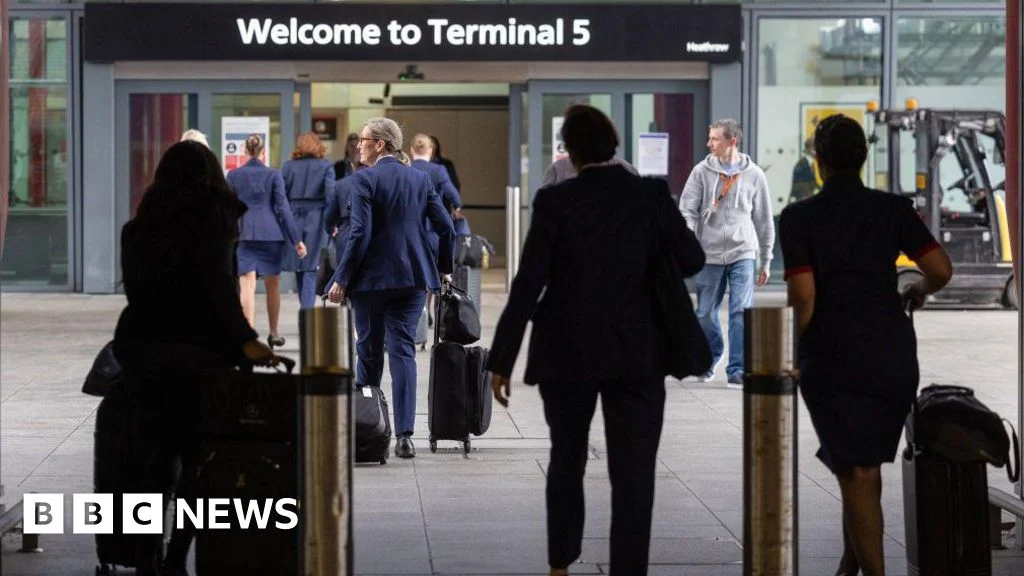
Heathrow Airport experienced a 5.3% decrease in passenger traffic during April, with approximately 6.7 million travelers passing through its terminals compared to 7.1 million in the same month of the previous year. The airport attributed this dip primarily to the ongoing conflict in the Middle East, which has influenced travel decisions and led to adjustments in flight plans for some routes.
Thomas Woldbye, Heathrow's chief executive, stated that while there has been some short-term disruption linked to the Middle East situation, the overall demand for travel remains robust. He also noted that current fuel supplies are stable, indicating that operational aspects are not the cause of the passenger decline.
The airport highlighted that the underlying demand for travel is resilient, evidenced by a significant 10% year-on-year increase in transfer passengers during April. This growth in connecting traffic was largely fueled by travelers originating from or heading to destinations in Asia and Oceania, utilizing Heathrow as a hub.
Major Middle Eastern hubs such as Dubai, Doha, and Abu Dhabi typically handle around half a million passengers daily, serving as critical transit points for journeys between Europe, Asia, and Australia. However, the current geopolitical climate has prompted many travelers to reroute or avoid these regions, impacting traffic at connecting airports.
Despite the April decrease, Heathrow saw an overall increase in passenger numbers for the first three months of the year. During this period, nearly 18.9 million passengers used the airport's four terminals, marking a 3.7% rise compared to the same period last year. The airport had previously explained this earlier growth by stating it had "temporarily absorbed demand from elsewhere."
Looking ahead, Heathrow is scheduled to update its passenger forecast for 2026 in June. Woldbye emphasized the airport's commitment to providing travelers with certainty as they plan their summer holidays. Heathrow is actively collaborating with government bodies and airlines to facilitate smooth travel arrangements for passengers.
The airport's performance in April underscores the sensitivity of air travel to geopolitical events, particularly those affecting major transit regions. The continued strength in transfer passenger numbers, however, suggests a persistent underlying desire for long-haul travel, contingent on perceived safety and stability.
Heathrow's operational capacity and strategic importance as a global hub remain key factors, even as it navigates external challenges. The airport's ability to adapt to shifting travel patterns will be crucial in maintaining its position in the international aviation landscape.


