The FDA’s recent clarification on a cyclosporiasis investigation has stirred questions, yet agency officials say their core conclusion remains unchanged: shredded iceberg lettuce from Taylor Farms’ central Mexico operations continues to be connected to the multistate outbreak that has sickened more than 1,600 people. A test tied to a specific Taylor Farms shipment was identified as a false positive, but the FDA emphasised that the false positive applies only to that shipment and does not undermine the broader link to Taylor Farms’ central Mexico lettuce as a vehicle for illness.
Public health investigators are still tracing exposures through patient interviews and product traceback data, with FDA statements asserting that the investigation and outbreak data “continue to converge on shredded iceberg lettuce from Taylor Farms locations in central Mexico.” The agency also reiterated its commitment to work with federal and state partners to remove implicated products from the market. While the false positive concerns one shipment, the FDA underscored that the larger link to Taylor Farms’ central Mexico supply remains intact and that the outbreak’s reach may extend beyond a single vendor as investigators review multiple shipments and ingredients.
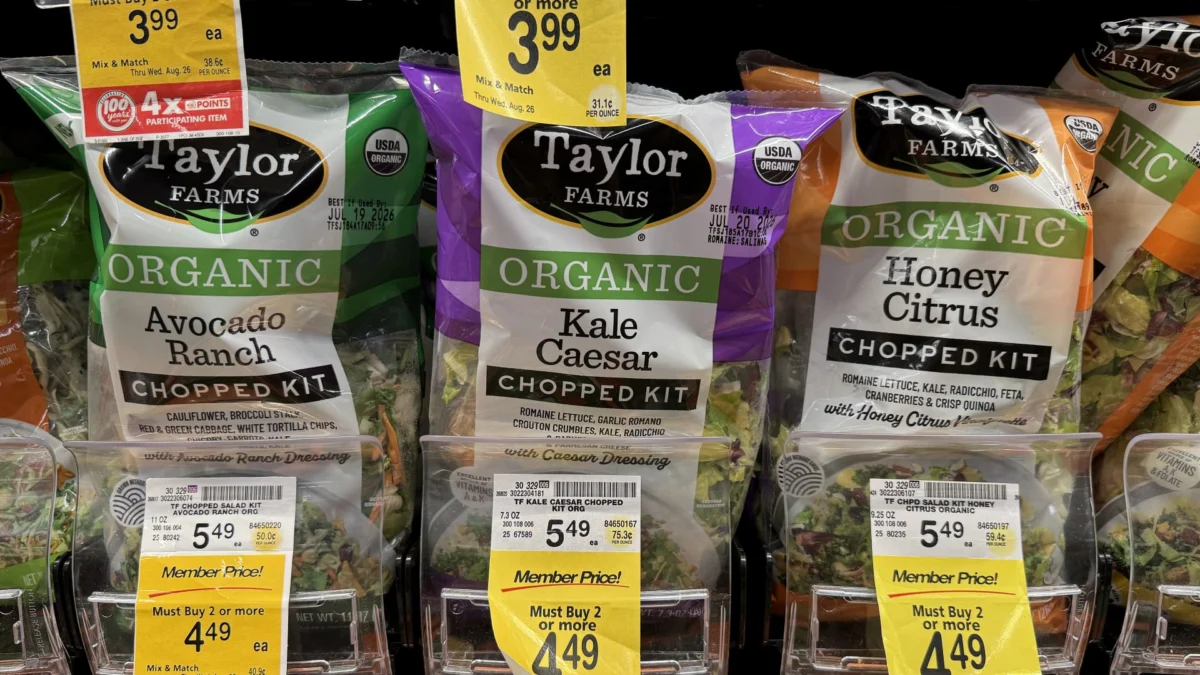
The industry response has been swift. Taylor Farms has continued a voluntary recall of implicated iceberg lettuce from central Mexico. Taco Bell and other fast-casual operators removed suspected lettuce from menus and supply chains as a precaution. Walmart reported the removal of four Marketside bagged salad kits sourced from Taylor Farms across 27 states, noting there were no indications those products were part of the outbreak. The industry’s response comes amid broader market sensitivity to fresh produce safety, with foot-traffic data and investor sentiment reacting to headlines about recalls and supplier accountability.
Public health questions persist, including how the parasite’s incubation period, the pace of illness, and lettuce supply variability may shape the outbreak’s geographic spread. While a single vendor has emerged as the likely origin, investigators and public health experts caution that broader contamination pathways could emerge as investigators examine multiple shipments and ingredients. Former FDA officials and academic researchers have highlighted the challenges of confirming a link in real time when incubation periods and perishable inventories complicate testing and recalls. In interviews, several patients reported consuming lettuce in various settings, not exclusively in restaurants, underscoring the challenge for retailers and food-service operators in maintaining safety while sustaining operations.
As the investigation unfolds, producers and retailers face ongoing pressure to demonstrate rigorous safety controls and transparent communication with the public and investors. The FDA’s and manufacturers’ actions occur amid heightened scrutiny of food-safety programs and supply-chain resilience in a multistate outbreak that has prompted broader steps to reconfigure supplier relationships across the food-service sector. The episode also illustrates how a false-positive result can complicate public messaging during a fast-moving health incident while keeping attention on root causes and pathways to consumers.
Industry observers caution that while the outbreak’s immediate impact may be concentrated, the reputational and operational effects ripple across the restaurant and retail landscape. Some analysts note that the outbreak could exert a temporary drag on sales for chains tied to affected lettuce, though the long-term impact is not expected to be deep for major players. Shares of Yum Brands have experienced volatility in the days surrounding the episode as investors assess the evolving risk profile.
Beyond the immediate outbreak, the case highlights the importance of robust traceability and supplier oversight in perishable-food markets, where fast action and clear communications can help restore consumer confidence and stabilize supply chains as restaurants and retailers navigate recalls and adjustments to menus and inventories.


