Family investors are increasingly steering clear of the volatile world of artificial intelligence startups and instead are channeling capital into traditional, "old-economy" businesses. This strategic shift, often referred to as the "anti-AI trade," is gaining traction among family offices that prioritize stability, predictable cash flow, and long-term value over the rapid, often speculative, growth associated with technology ventures. Businesses such as auto dealerships, fisheries, and infrastructure projects are becoming prime targets for these investors, who are looking to preserve wealth across generations.
Mark Sotir, president of Equity Group Investments (EGI), a private investment firm backed by the family of the late billionaire Sam Zell, explained this philosophy to CNBC. EGI's diverse portfolio includes a John Deere dealership, a bluefin tuna fishery, and a pedestrian bridge connecting San Diego to Tijuana International Airport. While these assets may seem disparate, Sotir highlighted that they share a common characteristic: a reduced susceptibility to disruption from artificial intelligence and other rapidly evolving technologies. "If you're thinking out 10 years, 12 years, you have to start with picking a company in an industry that you know will be around," Sotir stated. "That's why we shy away from some tech and some startups. It's not because we don't like doing them. It's just very hard for me to tell you where software is going to be 10 years out."
The "HALO" trade, an acronym for "heavy assets, low obsolescence," has become a notable strategy on Wall Street. Family offices, by their nature, invest with a multi-generational horizon, making them inherently aligned with the principles of the HALO strategy. They value the consistent cash flow generated by established, asset-heavy businesses. This approach is further bolstered by current economic conditions, including uncertainty and shifts in tax policy, which make backing these types of companies more appealing.
Traditional private equity firms often seek to acquire and divest businesses within a three-to-seven-year timeframe. This shorter investment horizon can deter them from asset-heavy industries where long-term capital appreciation is more typical. Consequently, family offices, with their patient capital, can often acquire these businesses at a discount. Sotir commented, "Everybody gets so enamored with asset-light, but I like to say, 'If you're paying an asset-light premium, then I'm not sure where the advantage is.'"
Tax advantages also play a significant role in making old-economy businesses attractive. The "one big beautiful bill" law, which renewed bonus depreciation, allows companies to deduct the full cost of qualifying assets, such as machinery and vehicles, in the year they are placed into service. Brian Hans, who leads tax efficiency strategists for UBS' advanced planning group, noted that this is a "very material change that can make a big difference in terms of the tax benefit." He added that family office clients are increasingly focused on after-tax returns when making investment decisions.
Furthermore, if a business is considered an active investment, the depreciation deductions can be used to offset income from other active investments, such as stocks. This offers a substantial benefit for families holding highly appreciated stock portfolios. "It's a sizable benefit for families that have highly appreciated stock holdings," Hans explained.
Auto and equipment dealerships, in particular, are well-positioned to capitalize on bonus depreciation and offer other desirable traits for family investors, according to Joe Mowery, head of dealership investment banking at Stephens. He described these businesses as providing a "tax-advantaged income stream." Despite potential headwinds from inflation impacting consumer spending on vehicles and equipment, Mowery pointed out that the parts and service segments of dealerships are highly resilient and boast high profit margins. "It's not a nice-to-have. It's a must-have. You know, you got to get to work, you got to take the kids to school, whatever the case may be," he said, underscoring the essential nature of these services.
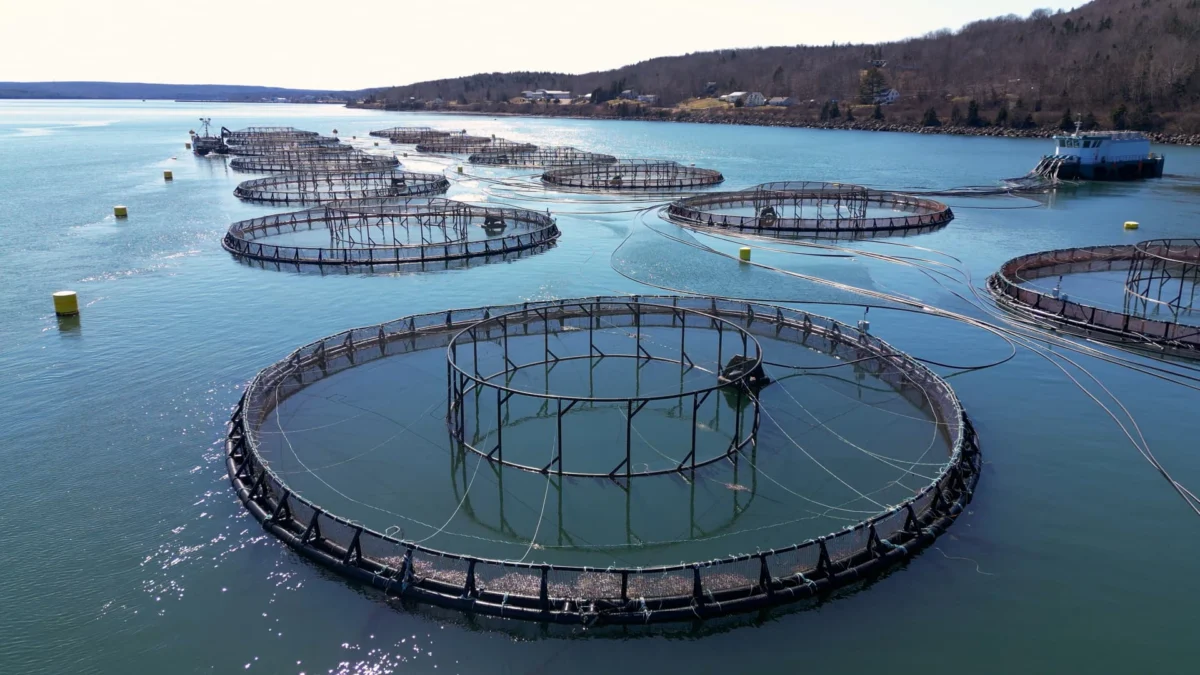
While no business is entirely immune to disruption, old-economy companies can possess "geographic moats" that limit competition. Sotir cited EGI's ownership of John Deere and Kenworth dealerships, where franchise agreements prevent the establishment of competing dealerships of the same brand in close proximity. Similarly, EGI's bluefin tuna fishing and farming operations in Baja California face significant barriers to entry due to strict fishing quotas, providing a natural competitive advantage.
EGI's patient, family-backed structure allows it to avoid the pressure to deploy capital quickly, a common characteristic of traditional private equity firms. The firm typically completes only one to two deals annually. Sotir mentioned that EGI is observing an increase in inquiries from business owners facing pressures from tariffs, inflation, and other economic uncertainties. "The amount of uncertainty that people are dealing with has oddly turned into a benefit for us," he remarked.
Attractive opportunities are also emerging in the agricultural sector, which is currently under considerable stress. While challenges such as rising fertilizer and fuel costs are significant, EGI's long-term investment horizon enables it to weather these difficulties and wait for future returns. "People are worried about the space, and that's the perfect time for us to step in to buy," Sotir concluded. "Even if the value doesn't come in the first two, three years, that's okay, as long as we know it's coming, because we've got that duration."
This strategic pivot by family investors reflects a broader trend of seeking tangible assets and established revenue streams in an era marked by rapid technological advancement and economic unpredictability. By focusing on sectors with inherent demand and limited susceptibility to technological obsolescence, these investors aim to build and preserve wealth for future generations, demonstrating a preference for enduring value over speculative growth.


