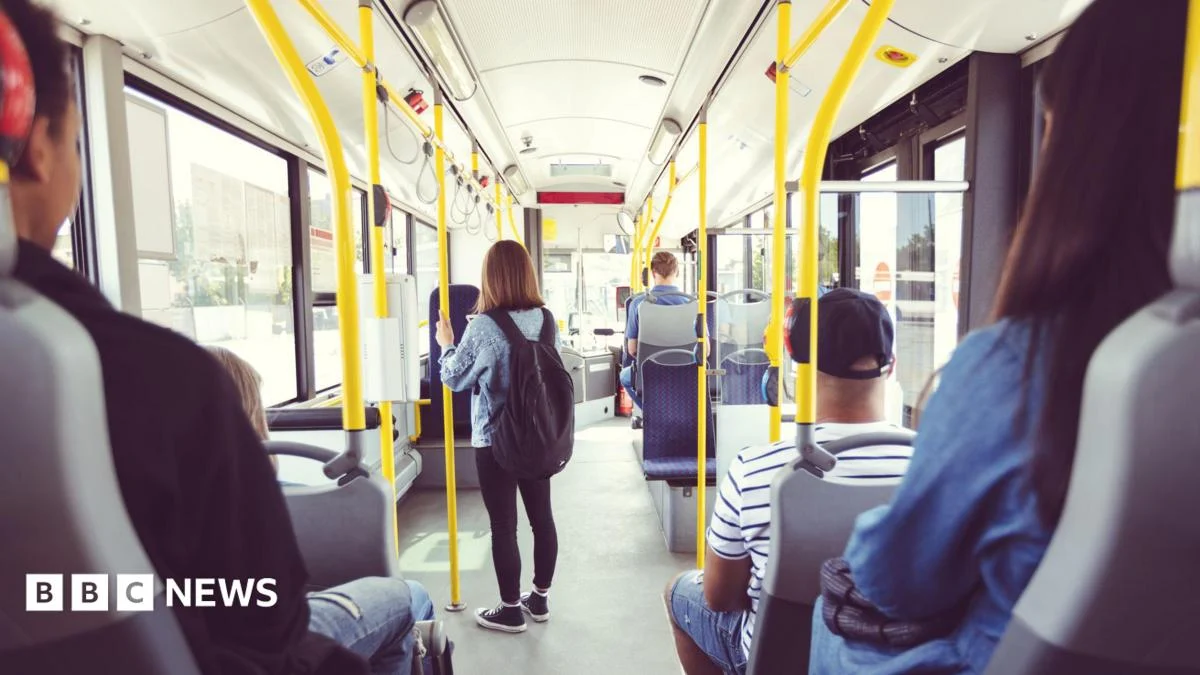
The English government announced that the national bus fare cap outside Greater London will revert to £2 from January 2027. The policy, described by officials as a measure to ease living costs, is expected to cost more than £500 million and will apply to participating buses outside London. The plan builds on the earlier £2 cap used by the previous administration and by Greater Manchester when Burnham served as mayor, with the current administration led by new prime minister Andy Burnham stating the cap will primarily benefit travelers in rural and coastal areas where single fares are often higher.
Transport Secretary Heidi Alexander told the BBC’s Today programme that the measure offers “a little bit of hope” for households facing higher living costs, though she cautioned that the policy is not a complete solution to inflation or transport affordability. The government also noted that £454 million will be reallocated from the Department for Energy Security and Net Zero to support the scheme, alongside funds already earmarked by the Department for Transport for buses. Ministers emphasised that the money would be used as part of a broader package to support transport and public services.
The policy originates from the experience of a £2 cap introduced in 2023 and extended thereafter. In 2025, the England-wide cap rose to £3, while Liverpool and Manchester retained £2 in those city regions. Burnham has framed the move as essential to keep transport affordable and to help people reach work and services. He highlighted that affordable transport links are crucial for mobility and opportunity, particularly in less densely populated areas.
Several regional voices welcomed the development but pointed to ongoing vulnerabilities. Translink in Northern Ireland has warned of service cuts due to budget pressures, and the Campaign for Better Transport argued that rural routes remain sparse despite the incoming cap. The County Councils Network noted an 18% drop in bus mileage in 2019–2024 across its member councils, marking a significant decline in rural and smaller communities.
In Scotland, the government piloted a £2 cap in the Highlands and Islands and is considering extending a similar policy nationwide by the end of the current parliamentary term. The Office for National Statistics also cited the prior fare-cap scheme as contributing to inflation moderation in 2023 and observed a surge in bus usage during the policy’s initial months.
The government stressed that the cap outside London will be funded through reallocation and existing transport budgets, while officials underscored that the money is intended to back public transport as part of a broader cost-of-living effort. Critics, including opposition figures, have called for clarity on funding sources and the long-term sustainability of the subsidy.
As the policy unfolds, officials expect that the £2 cap will support around 9 billion journeys on England’s non-London buses over time and help ensure transport remains accessible to low-income and rural households. The exact design, scope of participating operators, and urban-rural distinctions will be clarified in the autumn budget and subsequent fiscal announcements.


