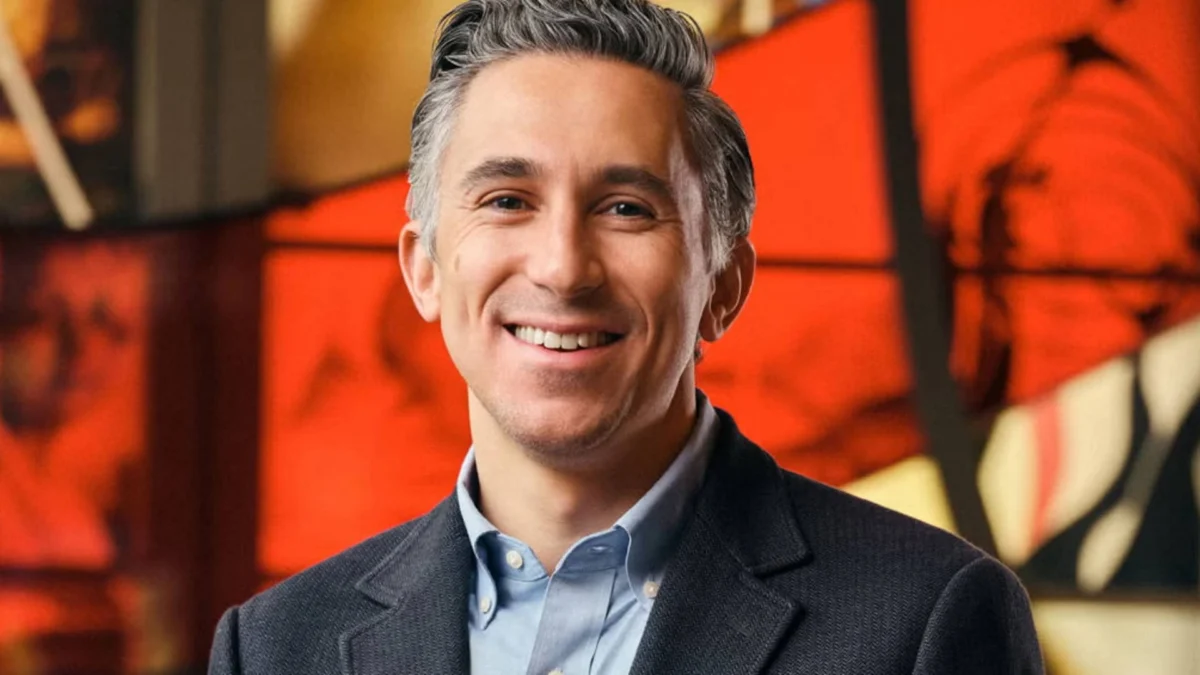
Eli Lilly is undergoing a significant strategic shift in its dealmaking, fueled by the substantial financial success of its GLP-1 drugs, Mounjaro and Zepbound. Jacob Van Naarden, who recently took on the additional role of head of corporate development while continuing to lead Lilly's oncology business, is spearheading this new approach.
Van Naarden articulated the company's robust financial standing, stating in an interview at the American Society of Clinical Oncology's annual meeting, "The company's financial strength right now, driven mostly by the weight loss business, is so strong." He described this financial power as a "generational opportunity" to strategically deploy capital across various disease areas. The aim is not only to drive future growth for the company but also to assist a greater number of patients with diverse conditions.
This year, Eli Lilly has already committed to spending over $10 billion upfront, with potential expenditures reaching up to $25 billion across eight acquisitions. This marks a substantial increase compared to last year's activity, when the company spent approximately $4 billion on roughly 40 deals. The accelerated pace of dealmaking reflects an intentional shift in Lilly's strategy, especially as the company has grown significantly in size and valuation. According to data from LSEG, Eli Lilly's market capitalization now stands at approximately $1 trillion, a substantial increase from $190 billion in 2021. This milestone positions Lilly as the first healthcare company to join the exclusive trillion-dollar club, a group predominantly occupied by technology firms.
A New Focus on Advanced Assets
Historically, Eli Lilly favored investing in early-stage assets, which were often less expensive due to their inherent risks. However, the windfall from its GLP-1 drugs is now enabling the company to pursue experimental drugs that demonstrate a higher probability of success, albeit with larger price tags. Van Naarden emphasized the nature of these targets, stating in a separate interview at his Stamford, Connecticut office, "These things are medicines." He noted that while the full scope of their development and approval timelines might not be entirely known, there is sufficient clarity to justify a higher investment compared to preclinical ventures.
Van Naarden said his boss, Lilly CEO Dave Ricks, approached him last fall regarding his expanded role in business development. The company sought to refine its dealmaking capabilities and broaden its focus beyond the early-stage bets that had been its primary concentration. This new strategy began to take shape early this year.
Among the significant deals announced, Lilly's planned acquisition of Centessa Pharmaceuticals, revealed in March, could reach up to $7.8 billion if specific milestones are met for its experimental drugs targeting sleep disorders like narcolepsy. This potential acquisition would represent Lilly's second-largest deal ever, trailing only its $8 billion acquisition of Loxo Oncology in 2019, where Van Naarden served as chief operating officer.
While these deals are substantial for Eli Lilly, agreements of around $8 billion are still relatively modest when compared to transactions undertaken by other major pharmaceutical companies. This raises the question of how large future acquisitions for Lilly could be. Van Naarden, however, has indicated that he does not intend to impose arbitrary spending limits, prioritizing compelling scientific opportunities and the potential impact for both patients and the company.
Eli Lilly's current specialties include oncology, neuroscience, cardiometabolic health, and immunology. However, some of the acquisitions announced this year, such as the recent purchases of three vaccine companies, signal the company's intent to venture into new therapeutic areas. Van Naarden confirmed this broader scope at ASCO, stating, "We're looking at all kinds of things that don't neatly fit into one of those four buckets, so don't be surprised if we have more to come for things that you know don't perhaps neatly fit within what we've done historically." He further affirmed that nothing is truly "off the table" for future dealmaking, indicating a wide-ranging and aggressive pursuit of new opportunities.


