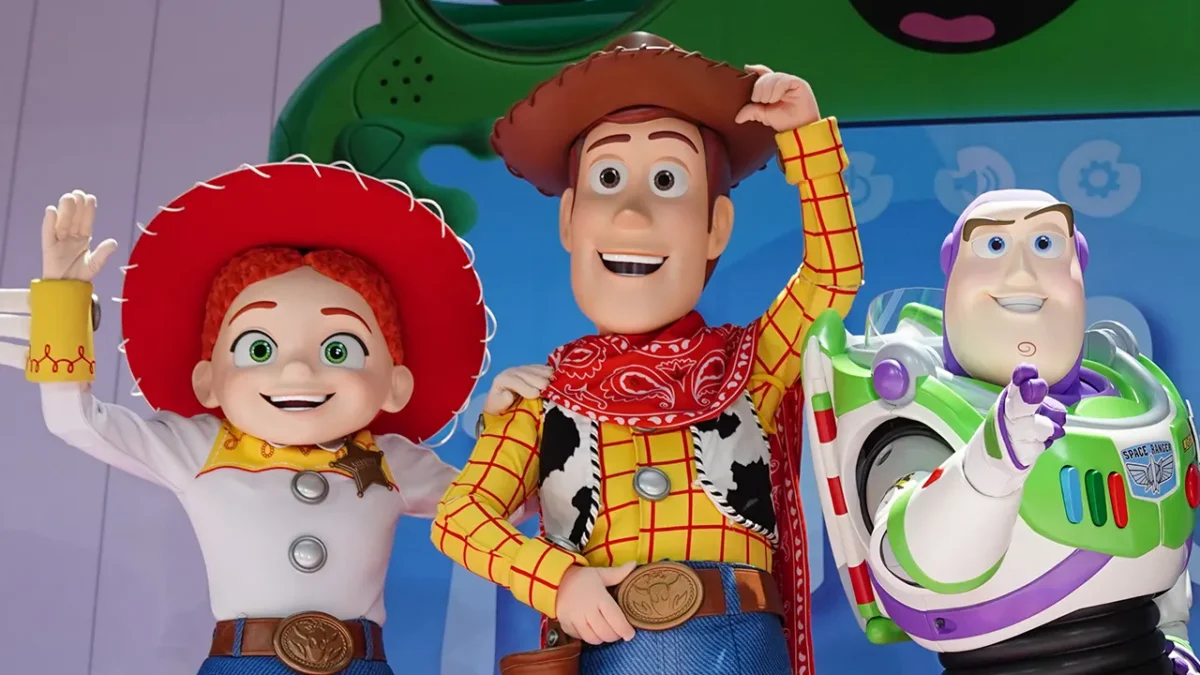
Disney laid off hundreds of employees across multiple divisions on Tuesday, with Pixar absorbing the largest share of the cuts, according to people familiar with the matter. The recalibration affects Disney Entertainment Television, Disney Studios and ESPN, marking the third round of layoffs within the corporation this year and the largest round for Pixar in the past two years.
At Pixar’s Emeryville, California headquarters, the cuts were confirmed to include at least 116 jobs, TheWrap reported, citing sources. The layoffs come as Pixar’s latest release, Toy Story 5, dominates global theaters, contributing to Pixar’s box-office momentum even as internal assessments point to a tougher cost structure. Pixar’s Elio and other recent projects have faced box-office headwinds, with Elio earning about $154 million worldwide in 2025 against a production budget of roughly $200 million, according to industry figures.
Within Disney Entertainment, National Geographic is viewed as one of the hardest-hit brands in the downsizing wave, according to the report. ESPN also reduced staffing, including high-profile on-air personalities such as Karl Ravech, a long-time SportsCenter anchor who has been with ESPN since 1993, The Hollywood Reporter noted. The network also named former NFL player Ryan Clark as part of the changes under an extensive evaluation of teams and structure conducted by ESPN leadership.
Disney’s leadership explained the actions as part of a broader drive to streamline operations. ESPN Chairman Jimmy Pitaro told employees the company undertook a careful review of teams and organizational structure before announcing the job impacts. He added that the cuts were partly driven by the performance of projects such as Hopper, which did not break even under traditional accounting, according to TheWrap.
The layoffs follow prior rounds in April and January, when Disney laid off roughly 1,000 employees across its television and film divisions and consolidated marketing departments under Chief Brand Officer Asad Ayaz. Disney executives have described the actions as necessary to adapt to a rapidly changing entertainment landscape and to position the company for long-term competitiveness.
Industry observers note that the timing places Disney in a period of heightened scrutiny for content investments, streaming strategy and the economics of big-budget animation. While Toy Story 5 has driven near-term box-office returns, the broader picture for the company remains unsettled as it negotiates viewer demand, streaming profitability and cost discipline across divisions.
Overall, the workforce reductions underscore the pressures facing media conglomerates that balance blockbuster releases with ongoing investments in AI, marketing, and global distribution networks, even as some franchises continue to post strong receipts at the box office.


