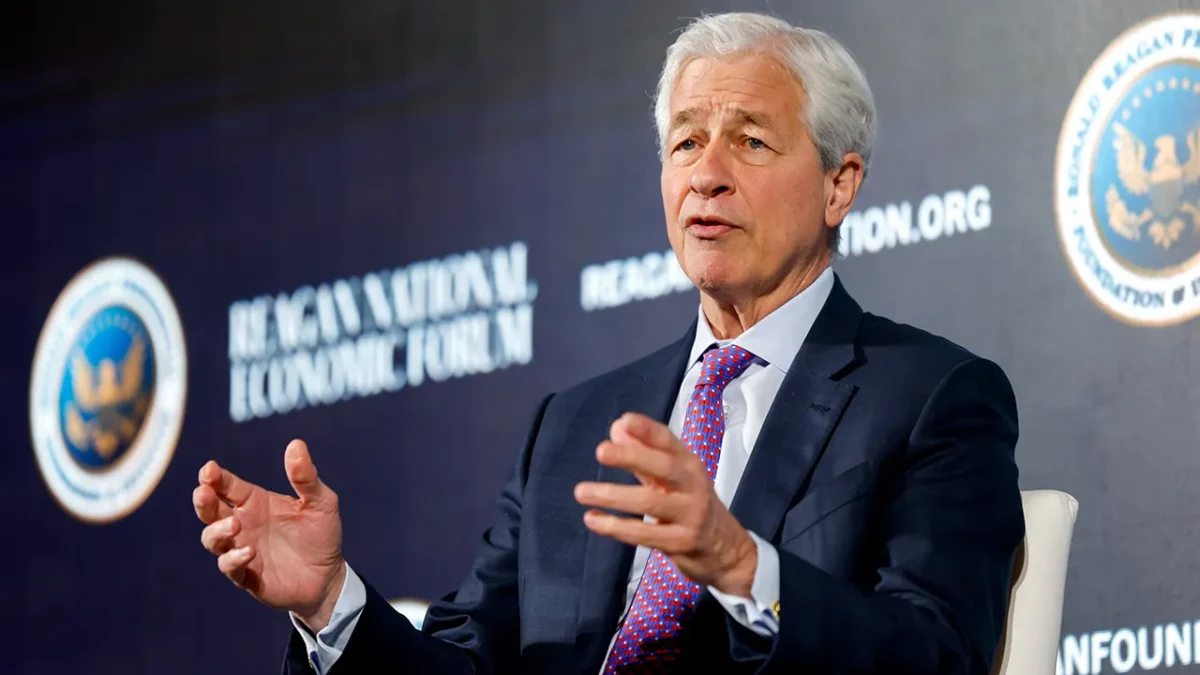
Jamie Dimon, chief executive of JPMorgan Chase, urged a calm assessment of AI’s potential impact on the workforce and emphasized reskilling as the main remedy rather than alarm. Speaking at the Pennsylvania Defense and Innovation Summit, Dimon said there remains significant uncertainty about how rapidly AI will affect jobs as the technology advances, and he advised observers not to become “breathless” about the potential effects.
Dimon noted that AI has created jobs within his own company while acknowledging some roles have been reduced. The concern, he said, is whether adoption could occur too quickly and lead to losses in middle‑class jobs before workers can be retrained. He stressed that the key question is not whether AI will affect employment, but how fast changes will unfold and how to plan for them.
“Technology always creates new jobs,” he said, adding that the issue is whether changes happen too fast and whether people are displaced before they can be retrained to replace those roles. Dimon asserted that JPMorgan will redeploy and retrain its own staff to adapt to new tools and workflows, underscoring that planning around jobs is essential to shield workers from rapid disruption.
Dimon also cautioned against sensationalism, noting that experience within his company shows that new technologies tend to generate new opportunities alongside displacement. He framed the goal as pursuing faster, higher‑quality output while supporting workers through retraining and skill development.
The remarks come as investors and executives monitor AI investments and productivity gains, with interest in how banks and other large employers manage workforce transitions as automation and AI deployments expand.
Dimon’s comments arrived during a public session, where he stressed balancing efficiency gains from AI with a managed reshaping of the workforce. He did not offer a specific forecast for job losses or macro impacts, but highlighted the importance of planning and retraining programs.
During the event, JPMorgan Chase’s stock traded around 343.16, with a move of about ‑1.12% in the session referenced, reflecting sensitivity to AI‑employment headlines and broader market dynamics.


