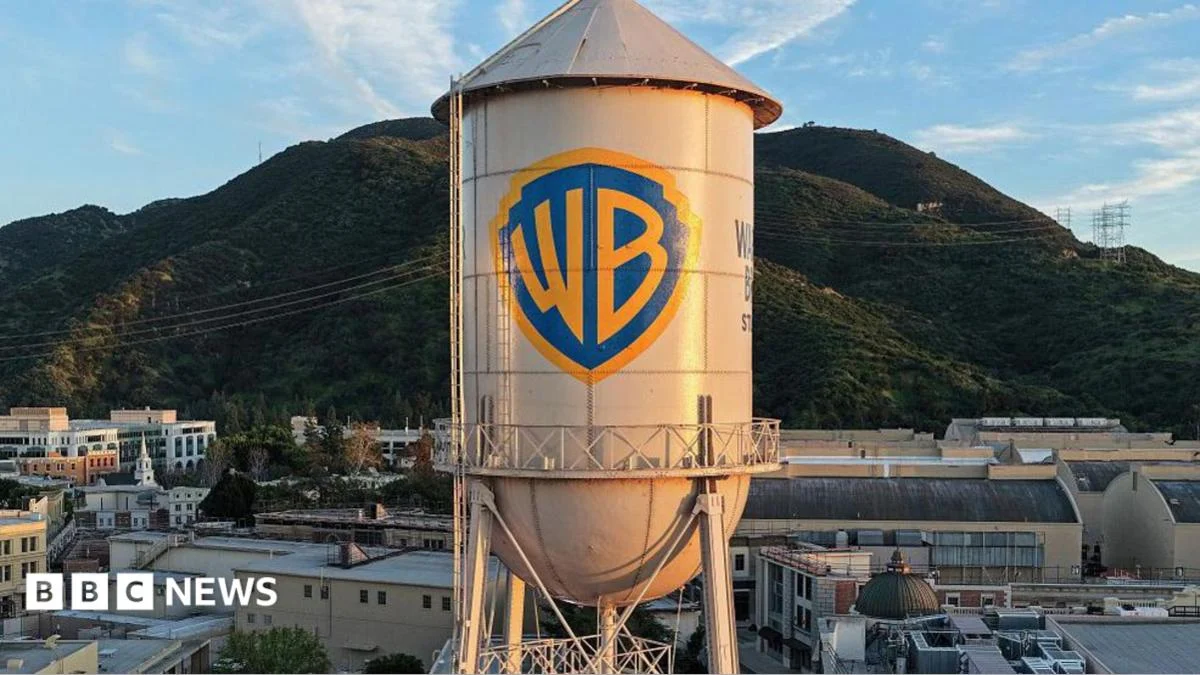
California leads a coalition of 12 states in filing a lawsuit to block the proposed $110bn merger between Warner Bros. and Paramount, arguing the megamerger would stifle competition and raise prices for audiences across the United States. The complaint, brought in California where both companies are headquartered and maintain major production studios, contends that the combination would concentrate power in the hands of a small number of players and threaten consumers through higher ticket prices and pricier cable bills. The states warn that, if approved, the merged company would account for more than a quarter of major film releases and, together with Disney, Universal, and Sony, would control about 86% of the US market for major motion pictures and related programming.
The lawsuit notes that Paramount has been based in California for more than a century, underscoring the potential jurisdictional and economic implications of the deal. In an interview with BBC World Service, California Attorney General Rob Bonta said he was aware of reports that Paramount’s controlling owner and chief executive, David Ellison, has been urged to move operations out of California, a claim Semafor circulated. Bonta described the report as a threat and said it would not influence regulators’ judgments. Paramount refused to comment on any possible relocation plans, or on the report’s credibility, when contacted for comment.
Regulators had previously signaled skepticism. The Department of Justice approved the merger in June, but a coalition of attorney generals urged a pause and threatened a temporary restraining order if the companies did not suspend the transaction pending judicial review. Supporters of the deal argue that scale is necessary in the face of a rapidly changing media landscape, where streaming competition and shrinking cable audiences have intensified the need for consolidation.
If the merger proceeds, the firms would own and operate a vast slate of franchises and networks, including properties like Harry Potter, Batman, Mission: Impossible, and Top Gun, as well as television channels such as CNN, MTV, and Nickelodeon. The lawsuit frames its case around concerns that reduced competition could diminish theaters’ bargaining power with distributors and limit consumer choice, leading to higher prices across the board.
Paramount described the lawsuit as fundamentally flawed and said it would vigorously defend the transaction. The company argued that delaying the deal would harm entertainment workers who have already suffered as technology disrupted livelihoods and cost tens of thousands of California jobs. Warner Bros. declined to comment on the litigation beyond confirming it was reviewing the allegations and would respond through appropriate channels.
The broader stakes center on whether the two studios can maintain independent competition while continuing to invest in big-budget projects and ongoing studio operations, including development of new content, talent deals, and distribution strategies. The case is shaping up as a central test of antitrust policy in a media environment influenced by streaming platforms, licensing arrangements, and evolving consumer preferences.


