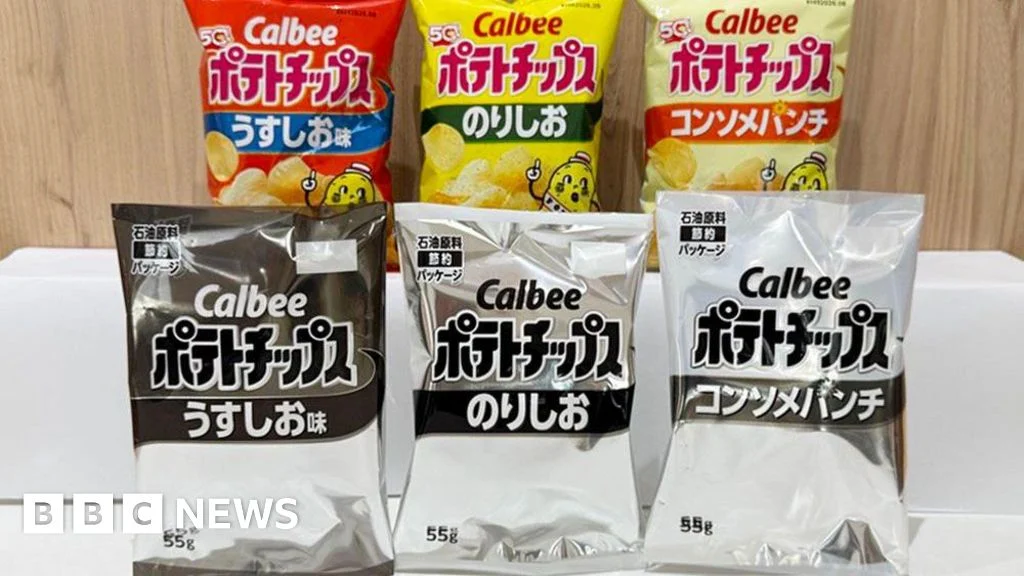
Japanese snack giant Calbee is implementing a temporary change to its packaging, switching to black and white designs for some of its most recognizable products. This decision stems from disruptions in the supply of a key ingredient used in ink, a situation exacerbated by ongoing tensions in the Middle East.
The revised packaging, featuring a monochromatic aesthetic, will begin appearing in Japanese stores starting May 25th. This modification affects 14 different Calbee products, including popular items like potato crisps and prawn crackers. The company stated that this measure is a direct response to "supply instability affecting raw materials amid ongoing tensions in the Middle East."
Calbee emphasized that the primary goal of this design alteration is to ensure the continued availability of its products for consumers. "This measure is intended to help maintain a stable supply of products," a company spokesperson explained, highlighting the challenges posed by the current geopolitical climate.
The disruptions are closely linked to the conflict that began on February 28th, which has led to significant volatility in oil and gas prices. A crucial element affected is naphtha, a derivative of oil refining that serves as a vital component in the production of ink and plastics. The conflict has severely impacted the availability of naphtha, with prices in Asia nearly doubling since the hostilities commenced.
This situation has a direct bearing on Japan's supply chain, as approximately 40% of the nation's naphtha was historically imported from the Middle East prior to the recent conflict. Japan's Deputy Chief Cabinet Secretary, Kei Sato, acknowledged the government's efforts to address these supply chain issues, stating that officials are actively working to "stabilize and resolve any supply imbalances and bottlenecks."
In response to the naphtha shortage, Japan has been actively seeking alternative sourcing options. Prime Minister Sanae Takaichi indicated in April that the country is diversifying its naphtha imports, looking to regions such as the United States to supplement supplies previously sourced from the Middle East.
The impact of the Middle East conflict extends beyond ink supplies, affecting a broad spectrum of industries and everyday goods across Asia. Countries in the region are particularly vulnerable due to their substantial reliance on the Middle East for energy and related products. Shipping through the Gulf has been significantly disrupted, creating ripple effects throughout various supply chains.
This broader impact is evident in other sectors. For instance, Japanese food manufacturer Mizkan announced on May 1st a suspension of sales for certain products and price increases for others, citing a shortage of polystyrene containers essential for packaging. The automotive industry has also felt the pinch, with major manufacturers like Toyota and Hyundai reporting reduced profits attributed to increased material costs and diminished sales.
Globally, the surge in jet fuel prices has forced numerous airlines to curtail flight schedules and ground aircraft. In the UK, fashion retailer Next recently adjusted prices upwards by as much as 8% in non-European markets, citing higher fuel expenditures and the broader disruption to international supply networks as reasons for the increase.
The situation underscores the interconnectedness of global markets and the far-reaching consequences of geopolitical instability on consumer goods and corporate operations. Calbee's packaging adjustment serves as a tangible example of how international conflicts can translate into changes on supermarket shelves.


