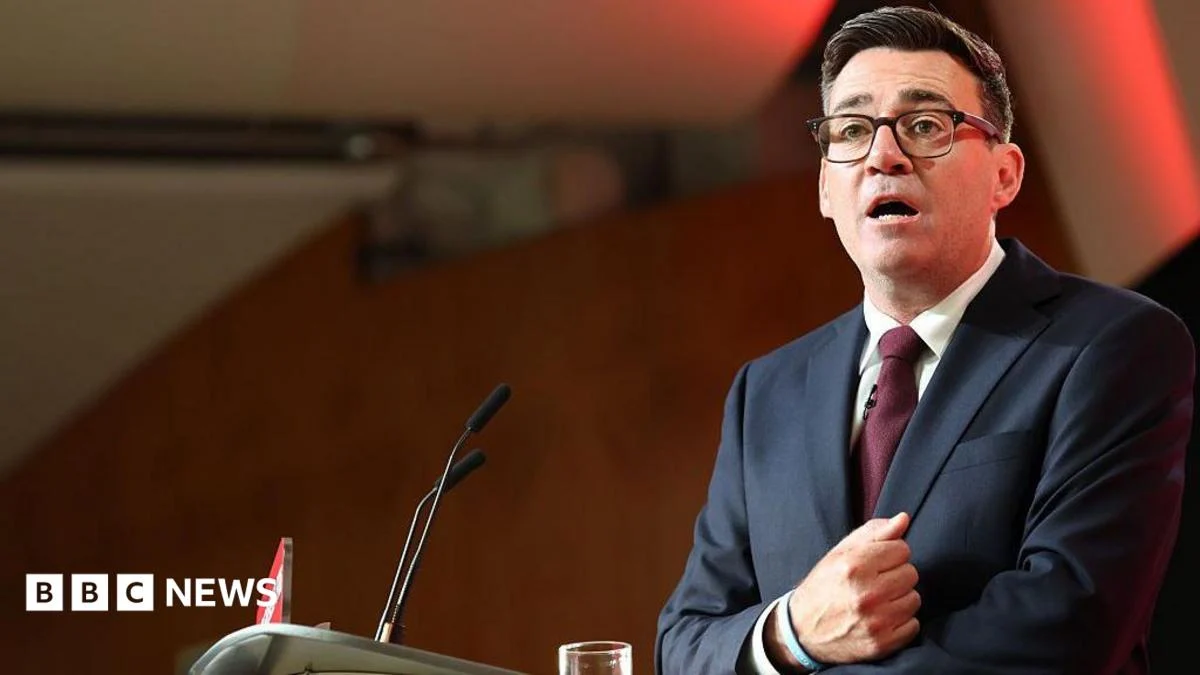
Andy Burnham will become the UK’s fifth prime minister in four years, confronting a track record of slow living standards growth, stretched public services and a fragile investment climate. The BBC synthesis of the policy debate shows a government focused on economic growth, higher skills, and utilities reform as pillars to raise living standards while avoiding a sharp disruption to public finances. The analysis opens with a stark assessment: between 1990 and 2007, average income rose by about 2.5% per year, but since then gains have halved, leaving households thousands of pounds worse off than they might have been otherwise. Placed against that backdrop, the new premier’s room for maneuver hinges on investment, productivity, and a credible path to debt reduction, all framed by the fear of upsetting bond markets.
Food inflation, higher energy bills and the Covid-era supply disruptions have battered household budgets. Food prices have climbed around 40% in recent years, intensifying pressure on families. Although the UK has not been hit as hard by the broader global shocks as some peers, the path to sustainable growth remains uncertain. The new administration is expected to push more investment, both public and private, and emphasize skills development to support a more productive economy. A central question is whether Burnham will pursue greater state control of utilities to lower bills, while preserving incentives for private investment.
The jobs picture remains fragile. Hiring has slowed to its weakest pace in five years, with young workers bearing a disproportionate share of the impact. Analysts point to the combination of subdued demand and higher labour costs, with automation and policy choices contributing to the challenge in sectors like retail and hospitality. A long-run erosion of entry-level roles is linked by researchers to the shift in the job mix, and recent policy proposals stress the need for targeted training and broader private-sector engagement. A prominent policy note from former Labour minister Alan Milburn warned that NEETs could rise to one in six, underscoring the human cost of a slower transition into work. A second wave of Milburn’s recommendations, due later this year, could urge a significant rethink of how public services interact with private providers, with a cost attached to any new arrangement.
On the fiscal front, Burnham has pledged to adhere to the current government’s rules on borrowing and spending, signaling a cautious stance toward tax changes and new welfare commitments. The plan emphasizes borrowing only to invest and a gradual reduction of debt as a share of the economy over time. This stance mirrors the prior budget discipline cited by Chancellor Rachel Reeves, who before the latest conflict claimed room for a £24 billion cushion to meet the fiscal rules. The evolving geopolitical backdrop has eroded some of that room, complicating the balance between growth initiatives and fiscal prudence.
The debt service burden already looms large: interest payments on the national debt account for about one in ten pounds the government spends. Burnham’s readiness to maintain the rules is framed as a strategy to keep bond markets calm as the new administration tests its plans against a still-tight financial backdrop. That said, the prime minister’s agenda could exceed available fiscal headroom if growth remains tepid or if investment plans prove costlier than anticipated.
Welfare reform is a sensitive area for the new government. Welfare spending is forecast to rise by more than a quarter between 2025 and 2030, with the main increases concentrated in sickness-related supports for working-age adults and pensioner benefits. Simplifying the triple lock pension formula could reduce increases and save tens of billions of pounds, a move supported by some economists and potential advisers to Burnham. Whether such a reform will be pursued remains to be seen, given the political risks of altering pension indexation.
Defence policy also features in the debate, with the government aiming to raise defence spending to 3.5% of GDP by 2035. Burnham has indicated support for higher defence outlays, though financing those commitments will require careful budgeting and potential trade-offs elsewhere in the public sector. In the background, several departments face budget squeezes as the new administration iterates priorities and compels difficult choices about public services.
Housing remains a core chord of the economic healing narrative. Mortgage payments, while now a smaller share of take-home pay than in the late 1980s, still squeeze households in today’s high-rent environment. The Nationwide Building Society noted that mortgage payments currently account for about a third of take-home pay, down from 48% in 1989. At the same time, housing supply challenges persist: completions have fallen short of the government target of around 300,000 homes per year, and the pace of new home building has slowed by roughly 6% year on year. Burnham’s stance includes a push to expand social housing, a move intended to improve affordability for first-time buyers who face a labor and capital market in a period of elevated costs.
Overall, Burnham’s economic program is framed around boosting growth, upgrading skills, and moderating consumer costs through policy measures that could include changes to the welfare state, pension indexation, and energy tariffs. The coming months will reveal how, or if, the new government translates these ambitions into fiscal policy and public investment while navigating debt dynamics and market expectations.
Note: The article preserves attribution to BBC sources and outlines the policy debate and implied implications without asserting new facts beyond the source material.


