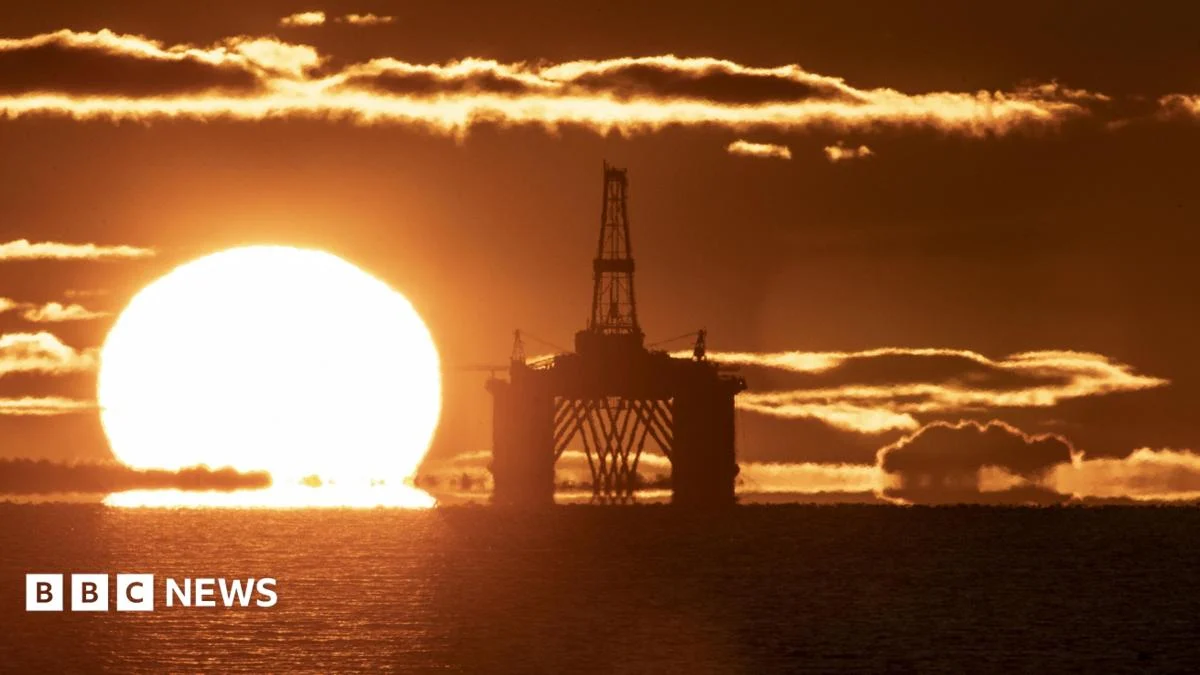
The period just before Andy Burnham takes office is shaping up as a crucial test of how he will handle North Sea oil and gas policy, with questions over whether a new dawn for drilling is on the horizon. BBC reporting indicates Burnham is unlikely to grant immediate approvals for controversial projects, even as the incoming administration signals a nuanced approach to energy and climate commitments.
On Saturday, BBC coverage cited indications that Burnham intends to honor the Labour Party’s 2024 manifesto pledge not to issue new oil and gas licenses, while still protecting existing rights. As the countdown to his premiership continues, officials and allies have framed this stance as a pragmatic balance between maintaining energy security and pursuing longer-term climate goals.
Labour figures, including deputy leader Lucy Powell, have stressed that Burnham would stay aligned with manifesto promises but may shift emphasis in North Sea matters. Powell described a longer horizon where the aim is to secure energy that is domestically produced, cleaner, and more affordable, while acknowledging North Sea oil and gas remains a meaningful component of the energy transition.
The debate about drilling in the North Sea has intensified as Burnham weighs decisions on key fields and broader exploration licensing. Proposals to proceed with projects such as Rosebank and Jackdaw face ongoing scrutiny, with environmental groups arguing that ministers must assess climate impacts more thoroughly. Even if production facilities exist at these sites, approvals are not imminent while the Offshore Petroleum Regulator for Environment and Decommissioning continues its final-stage assessments and consultations that run through August.
Beyond new licenses, the energy policy mix includes the handling of exploration licences and the practice of tie-backs—producing in unlicensed areas linked to existing licensed infrastructure. Labour’s manifesto originally pledged to ban new licenses, and the government has navigated a concession to allow tie-backs, a move that sits within the broader policy framework without breaching the manifesto.
Industry observers note that oil majors have spent decades shifting assets to smaller operators, prioritizing extraction from known fields over high-risk exploration. In parallel, the levy—an Energy Profits Levy—has shaped incentives since price spikes after Russia’s invasion of Ukraine. The levy currently carries a 78% headline rate, applied irrespective of price levels, and is slated to be replaced in 2030 by another windfall tax designed to be price-sensitive.
Analysts and industry executives say the EPL replacement could be central to Burnham’s economic strategy, potentially affecting investment decisions in the North Sea while aligning with jobs and reindustrialisation goals. The overarching question remains whether Burnham’s administration will foreground headlines or substantive steps to stimulate the economy through a rebalanced energy policy.
As both policy and market players watch closely, the outcome will influence investment climate in the sector, the pace of the energy transition, and the government’s ability to deliver energy security alongside climate commitments. The coming weeks are expected to reveal how Burnham will reconcile competing pressures from environmental advocates, industry, and workers, with long-term implications for the UK’s energy mix and industrial strategy.


