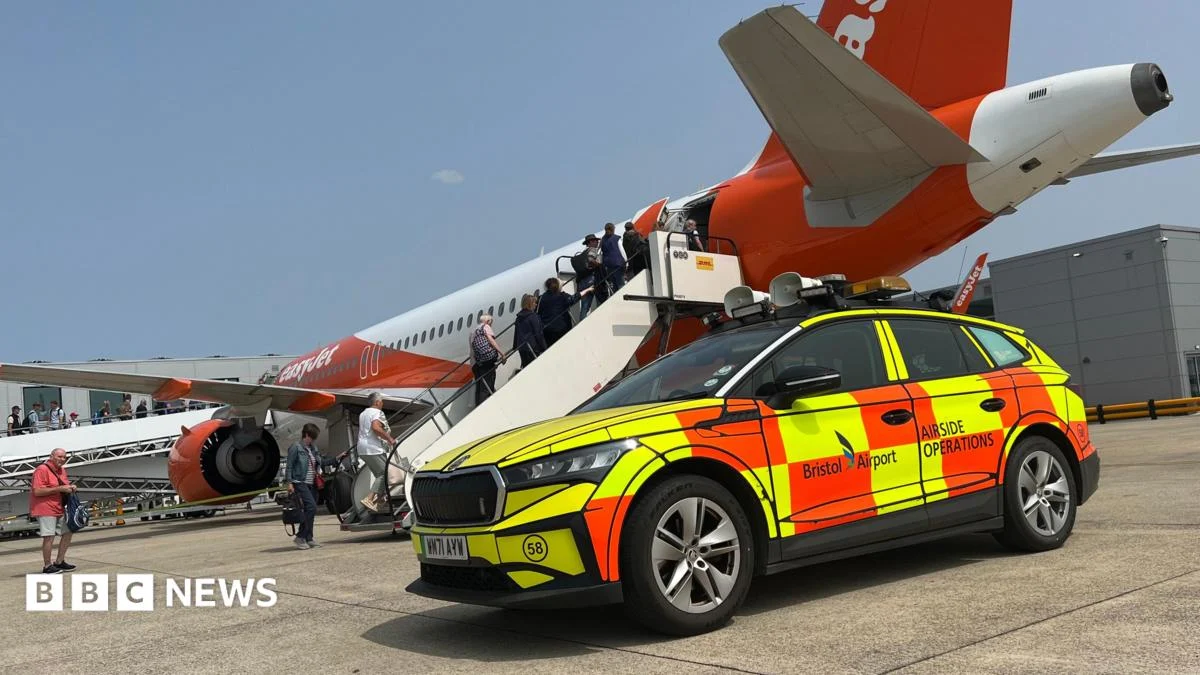
Bristol Airport is rolling out a series of measures aimed at reaching net zero, even as it seeks to expand by increasing annual passenger capacity from 12 million to 15 million. The effort centers on upgrading aircraft, deploying heat pumps, and expanding on-site renewable energy use, but campaigners argue these steps barely scratch the surface of the sector’s carbon footprint.
Airport management say the upgrades will help reduce emissions per flight. The carrier mix at Bristol includes EasyJet, which has invested in new-generation Airbus A320neo family jets, claiming they burn less fuel. EasyJet UK manager Kevin Doyle noted that the airline’s roadmap targets net zero by 2050, and highlighted that 13 of the 20 next-generation aircraft are already operating at Bristol. He argued the new planes are part of a broader path toward a lower-carbon operation.
Bristol Airport’s leadership emphasizes that the site itself—dating from vehicle fleets to power systems—will shift to greener energy. The airport has pledged to switch to electric vehicles, power the site with solar panels, and install 22 industrial-scale heat pumps as part of its plan to reach carbon neutrality by 2030. Yet the plan acknowledges that emissions from flights are not included in the airport’s direct footprint and are instead accounted for by the airlines and the broader aviation system.
Despite these ambitions, campaigners from the Bristol Airport Action Network contend that the measures barely alter the overall emissions profile. They point out that about 99% of Bristol Airport’s carbon comes from aircraft activity rather than ground operations, urging local authorities to oppose expansion that would raise flight volumes. Mary Collett of the network argued that in the current climate, with extreme heat and environmental stress, the region cannot justify further airport growth.
The expansion plan would raise Bristol’s cap on flights from 85,000 to 100,000 per year, accompanying a new terminal building and other infrastructure such as lighting on adjacent land. Campaigners claim the fuel efficiency gains from newer aircraft, like the Airbus A320neo family, would be overwhelmed by the increase in flights. Collett emphasized that flight reductions may be the only viable path while the industry explores genuine renewable-fuel options.
Officials say the broader transport and economic rationale remains: regional airports are seen as drivers of growth, with governments backing expansions to stimulate local economies. Yet climate concerns persist as the summer brings heatwaves described by the Met Office as more frequent and intense due to human-caused climate change. The UK Climate Change Committee has estimated aviation could account for a quarter of emissions by 2040, underscoring a longer-term tension between growth and decarbonisation.
Bristol’s climate plan frames the changes as a journey, not a single switch. Airport executives insist the transition will unfold over years, with a mix of greener planes and cleaner site operations contributing to a path toward net zero. In 2024, the airport reported direct emissions of 3,680 tonnes of CO2 and indirect emissions totaling 682,167 tonnes, a data point cited by campaigners to illustrate the scale of the challenge when emissions from flights are included.
The debate in Bristol reflects a wider national question: can airports expand while keeping carbon footprints in check, and how soon will aviation become compatible with a low-carbon energy system? Supporters argue that incremental efficiency improvements and on-site energy decarbonisation are essential steps, while critics warn that growth plans may outpace realistic decarbonisation options for flight operations.
As the argument unfolds, EasyJet and other carriers stress passenger demand and the role of newer aircraft in limiting fuel use per flight. They argue that growth does not have to come with a proportionate rise in emissions if aircraft are more efficient, but critics insist that without a stable cap on traffic and a credible shift to sustainable fuels, a net-zero claim may remain out of reach for Bristol.
The discussion continues as council leaders weigh expansion plans against environmental commitments, climate risk, and the evolving technology landscape that could redefine aviation’s carbon footprint in the years ahead.


