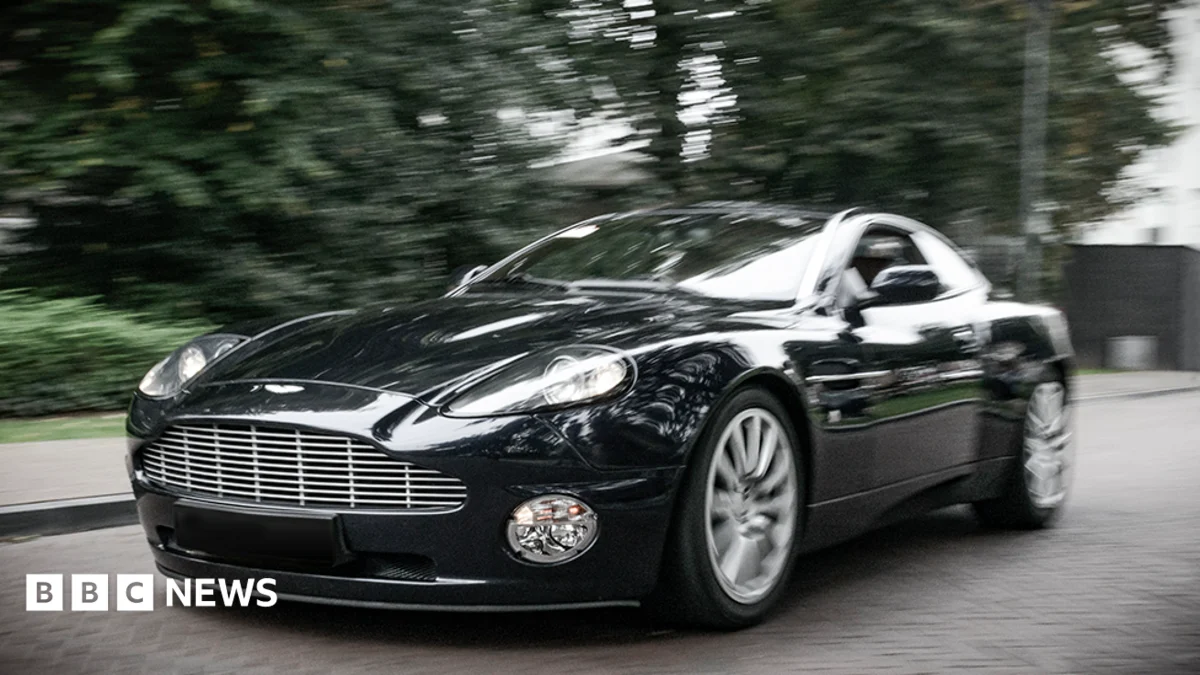
Aston Martin has secured £550m in new loans as part of efforts to shore up its finances amid ongoing cash burn and a challenging market environment. The luxury car maker, which has been pursuing cost controls and restructuring, announced the financing on a Wednesday to bolster its balance sheet and support current and future product plans. The company said the funding would help provide liquidity and resilience as it prepares to publish its half-year results on 29 July.
The package comprises a £450m senior secured-term loan, which is repayable ahead of other creditors and is backed by specific assets, and a £100m delayed-draw term loan, available at predefined points rather than upfront. The loans are being managed by HPS Investment. Aston Martin has argued that the arrangement strengthens liquidity and offers additional flexibility to pursue its product roadmap, including plans to introduce new models and updates.
Headquartered in Gaydon, Warwickshire, the group has previously signalled a need to trim costs; in March it announced plans to cut about 600 jobs, a move the company said would contribute to annual savings of roughly £40m. At the time, management cited pressures including US tariffs and weaker demand in China as factors affecting the business mix and profitability.
Industry observers note that Aston Martin faces a highly competitive global market, with demand fluctuations and macro headwinds weighing on sales. CFO Doug Lafferty commented on the financing package, stating that the £550m debt refinancing “significantly strengthens our liquidity, providing us with both additional resilience and further flexibility to execute our current and future product plans.” The group confirmed that most of the job cuts were expected to impact UK sites where its workforce is concentrated, even as the broader strategy aims to position the brand for a renewed growth trajectory.
Investors will be watching how the cash inflows translate into execution on product initiatives and cost control as the semi-annual results approach. The firm remains candid about the external pressures facing premium automakers amid tariff environments and cyclically weak regions, underscoring the higher hurdle for recovery in the luxury segment.


