The Shifting Landscape of Asian Food Retail
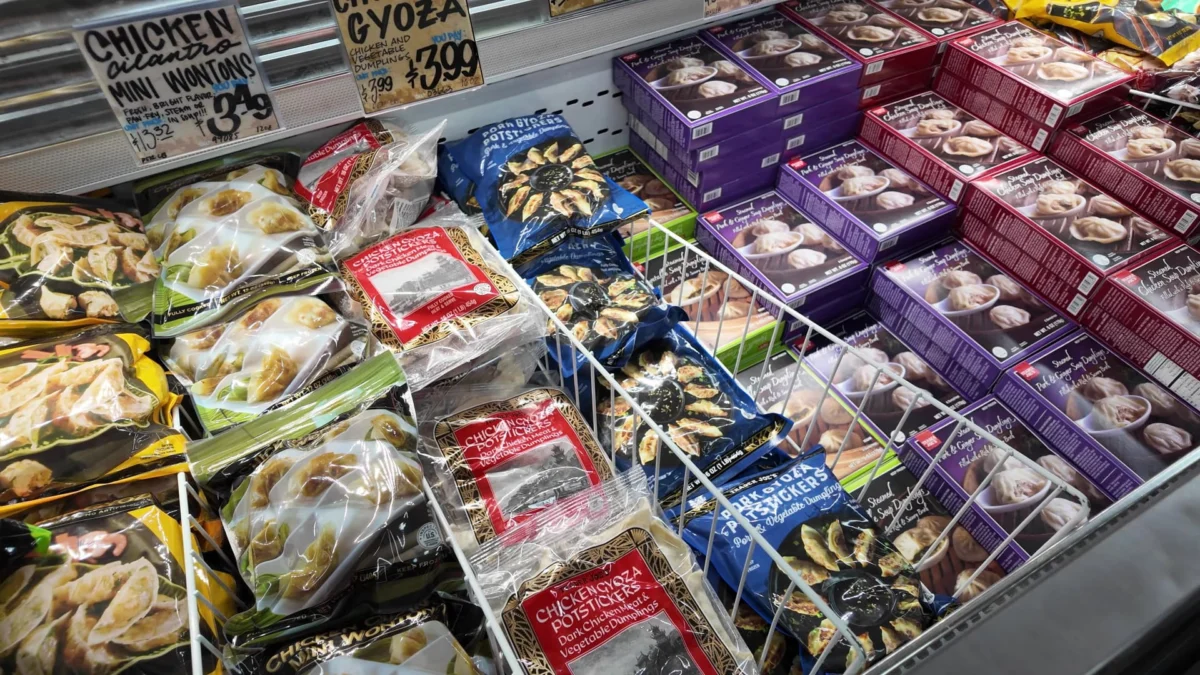
Asian grocery brands are increasingly moving beyond the confines of the traditional “ethnic aisle,” finding prominent placement on the shelves of mainstream supermarkets across the nation. This significant shift is fueled by a burgeoning consumer interest in global flavors and a strategic pivot by major retailers like Whole Foods and Target to offer a more integrated and comprehensive shopping experience. Rather than being segregated, Asian food products are now frequently positioned alongside their American counterparts, reflecting a broader acceptance and integration into the everyday American diet.
Candice Choi, the founder of the Korean seaweed snack brand Geem, launched her company in 2023 with an initial focus on a direct-to-consumer model, heavily utilizing platforms like TikTok for marketing. However, the brand’s rapid ascent in popularity led to its inclusion in grocery stores, including select Whole Foods locations, within just three months of its debut. “There was so much confluence of people being really excited about our snacks and stores really willing to take us on that was really, really exciting,” Choi told CNBC. She noted that grocery buyers, traditionally cautious gatekeepers, recognized the burgeoning category and Geem’s strong performance, which facilitated a faster market entry than typically anticipated.
The substantial demand for Geem has prompted the brand to accelerate its expansion plans. It is slated to launch in Whole Foods stores across Southern California, Nevada, Arizona, and Hawaii in July. This expansion exemplifies a larger market trend where rising consumer interest in global flavors is granting Asian grocery items a more prominent role in mainstream grocery stores, moving beyond the limited selections of sauces and oils that once characterized the “ethnic aisle.” Choi added that consumers are being exposed to newer flavors earlier on, and these are no longer perceived as niche or unusual, but rather as exciting taste profiles influencing consumer demand.
Market Growth and Evolving Consumer Palates
The transformation in how Asian foods are presented in supermarkets is underpinned by robust market data. Research from global investment banking advisor BDA Partners estimates that the “ethnic aisle” generated approximately $8.8 billion in sales in 2024. Within this, Asian products are experiencing growth nearly four times faster than the overall grocery sector. Projections indicate that the U.S. Asian food market is poised to reach $51.3 billion by 2031, demonstrating a compound annual growth rate of 4.7%. Asian snacking alone is expected to reach multiple billions by the end of 2030.
Further evidence of this surge comes from market research firm Circana, which reports that sales of Asian grocery items increased from $1.57 billion in 2021 to over $2.31 billion in the current year. Sally Wyatt, an analyst at Circana, attributes this growth to several interconnected factors. A significant driver is demographic evolution, with the Pew Research Center reporting that the Asian population in the U.S. has more than doubled since 2000, now constituting 7% of the total population. As this demographic grows, so does its cultural influence, introducing new flavors and culinary preferences to a wider audience.
Wyatt highlighted that this trend is particularly evident in grocery stores, especially at a time when dining out is considerably more expensive than cooking at home. “Especially as younger consumers are exploring, as consumers want to travel but maybe can’t, we do see that food and beverage is just a perfect way to get a taste of a culture that you might not be able to do every day,” she said. This allows consumers to experience different cultures through food, offering unique flavors and culinary exploration opportunities. Wyatt noted that segments within the Asian food market experiencing particularly robust growth include condiments, sauces, and frozen foods. These products are increasingly appearing outside the traditional “ethnic aisle,” integrated into mainstream store layouts. Wyatt observed that nearly every aisle in a grocery store now reflects the influence of diverse cultures, flavors, and combinations, aiming to appeal not only to consumers of Asian descent but also to a broader customer base eager to explore Asian flavors.
Mainstream Integration and Specialty Retailer Expansion
Specialty Asian grocery chains are also expanding their physical footprint. Stores such as H Mart, Patel Brothers, and 99 Ranch Market are opening new locations nationwide, offering extensive selections of Asian products. This expansion caters to a growing demand for authentic and diverse Asian food options.
In the frozen food sector, brands like Deep Brands are successfully reaching a diverse customer base. Kiernan Laughlin, General Manager at Deep Brands, stated that the company’s mission is to make global flavors more accessible to all consumers, irrespective of their ethnicity. He noted that while population growth among Asian communities contributes to the trend, the appeal of these flavors is broader and “agnostic to ethnicity.”
Deep Indian Kitchen, a legacy brand under Deep Brands, has achieved significant success, holding a 51% market share in the frozen Indian food category nationwide. This growth is fueled by demand from high-income millennials and Generation Z consumers. Deep Brands’ products are strategically placed in mainstream grocery aisles, providing easy access for non-Asian consumers. The company anticipates surpassing $110 million in syndicated retail sales this year.
Laughlin further elaborated on the market positioning, distinguishing between the “ethnic grocery channel,” which often targets specific ethnic groups, and Deep Brands’ approach, which focuses on consumers of all ethnicities seeking premium global flavor experiences. This strategy is reflected in their in-store placement and has led to considerable success.
Amazon’s Whole Foods is also actively increasing its investment in Asian flavors. Julie Bandin, a category merchant at Whole Foods, reported tremendous growth and innovation in this area. The increasing consumer desire for adventurous cooking and new culinary experiences is a primary driver. Whole Foods aims to offer unique products that bridge the gap between brands and consumers, intentionally placed to spark curiosity and encourage trial.
Bandin noted the emergence of Asian flavors across various categories, including beverages, sauces, and frozen foods. The introduction of the Indian sauce brand Gymkhana, for instance, led to significant growth within its subcategory, benefiting even legacy brands. The goal is to see these flavor profiles and Asian-specific brands become more widely cross-merchandised throughout the store.
A spokesperson for Target confirmed that the company has observed continued growth in demand for Asian food and beverages. Target has responded by expanding its product offerings and shelf space, recently introducing items such as ramen bowls and unique Asian-flavored Oreo varieties. For Candice Choi, seeing Geem products in mainstream grocery stores represents a full-circle moment, connecting her personal experience as an Asian American with her entrepreneurial success. She recalled her parents shopping at both specialty Asian stores and mainstream supermarkets, and now she can proudly show them her products on the shelves of Whole Foods, viewing it as a symbol of acceptance and validation.


