RIO DE JANEIRO — Airline chief executives at the industry’s largest annual gathering say that the much-hyped, more fuel-efficient engines from major manufacturers have fallen short on availability and reliability. The gap between promises and reality means carriers must remove engines from aircraft for maintenance sooner than planned, eroding the cost savings expected from new engines and complicating fleet timing as airlines try to meet resilient demand amid higher fuel bills.
Engine manufacturers insist they are making progress on reliability and production, but airline leaders insist the pace and quality of those improvements have not yet matched airlines’ needs. The result is a paradox for carriers: engines designed to cut fuel burn can end up raising overall costs when maintenance demands intensify or reliability lags. As travel demand remains robust despite higher fares, grounded aircraft translate into revenue lost at a moment when inputs are rising, including a roughly $100 billion increase in fuel costs this year that weighs on profit prospects.
Alexis von Hoensbroech, the CEO of WestJet, told CNBC in an interview ahead of the IATA’s assembly that newer engines were supposed to deliver fuel savings of about 15% or more versus earlier generations, but the reliability gap has grown. “However, as you push the limits, it sometimes comes at the cost of reliability, and what we all are seeing is that those engines have to go into unscheduled maintenance far more frequently than prior engine generations,” he said. He and other airline executives say the engines have yet to reach the reliability levels airlines require, even though there have been improvements. “That’s a big struggle, because it adds a lot of costs,” von Hoensbroech added, noting that much of the anticipated fuel savings are being eaten up by unplanned maintenance.
The industry has also intensified investments in engine overhaul and maintenance capacity, while independent shops have benefited from higher demand. In some cases, the value of older engines has risen as production slides keep new engines scarce. For example, a GE Aerospace CFM56 engine that powers older 737s was listed at about $9.2 million at the start of the year, up 17% since 2019, according to IBA Group. A Pratt & Whitney PW1127 engine for newer Airbus narrow-bodies has gained more than 57% in the same period, the aviation intelligence firm notes. Engine overhaul and maintenance have become a multi-billion-dollar business, reflecting the broader strain on the supply chain.
The discussion at the Rio gathering also included remarks from industry officials about the broader supply constraints. Willingness to address the bottlenecks remains high, but the sector is facing persistent shortages of parts, including forgings and castings, which complicate smoothing out production and maintenance cycles. United Airlines CEO Scott Kirby acknowledged the looming constraint, saying the next five years could be defined by a lack of engines as the industry grapples with supply gaps. He also highlighted the challenge of parts availability, emphasizing that the supply chain has not yet stabilized.
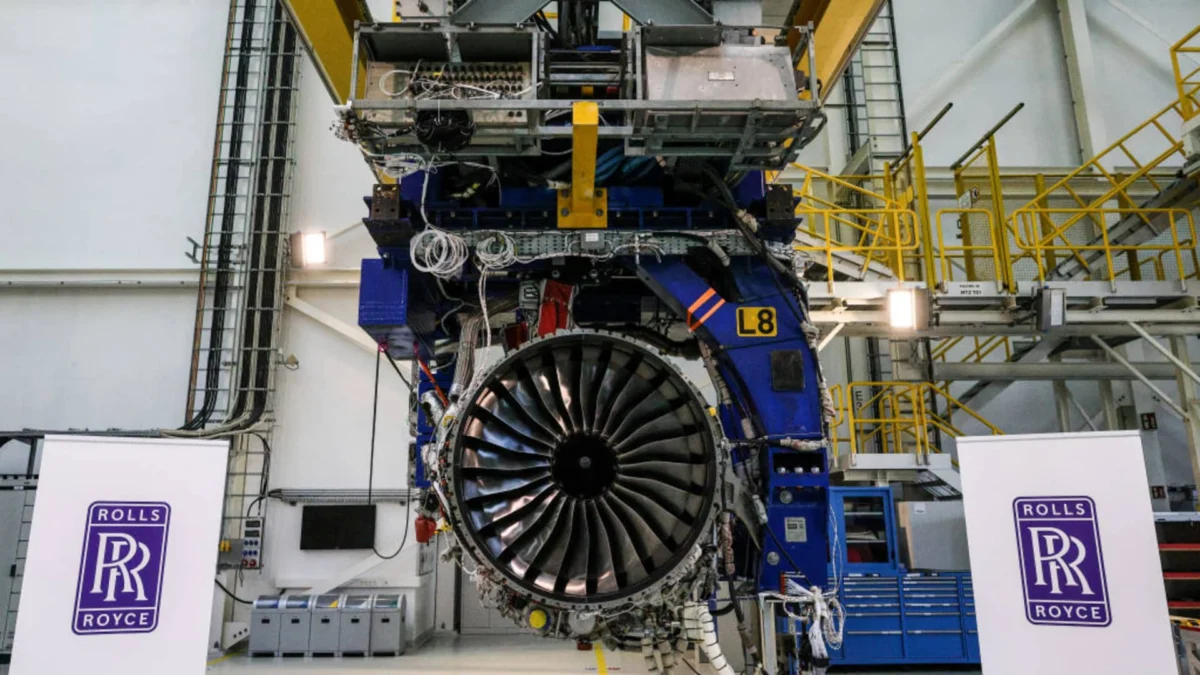
GE Aerospace, which produces engines for both Airbus and Boeing platforms, says it has been working on improvements and has increased output. The company notes significant investments to enhance time-on-wing, reduce total cost of ownership, and boost production, with a view to delivering meaningful long‑term value to customers. Rolls-Royce likewise reports ongoing efficiency improvements and investment, including about £1 billion ($1.33 billion) in its Trent engine fleet, aiming for up to triple time on wing and a reduced maintenance burden for customers.
Industry observers note that producers face pressure from airlines to deliver engines that live up to promised fuel savings while maintaining reliability under real-world operating conditions. The dynamic underscores the delicate balance between cutting fuel burn and sustaining dependable performance across a vast and aging global fleet. The outcome has significant implications for profitability, equipment planning, and the pace of fleet renewal in the years ahead, as airlines seek to optimize costs in an era of elevated fuel prices and a still-fragile recovery in some travel markets.
As the sector navigates these tensions, executives say progress is being made, even as they caution that more work remains to ensure engines deliver the reliability and availability required for a stable, predictable operating environment.


