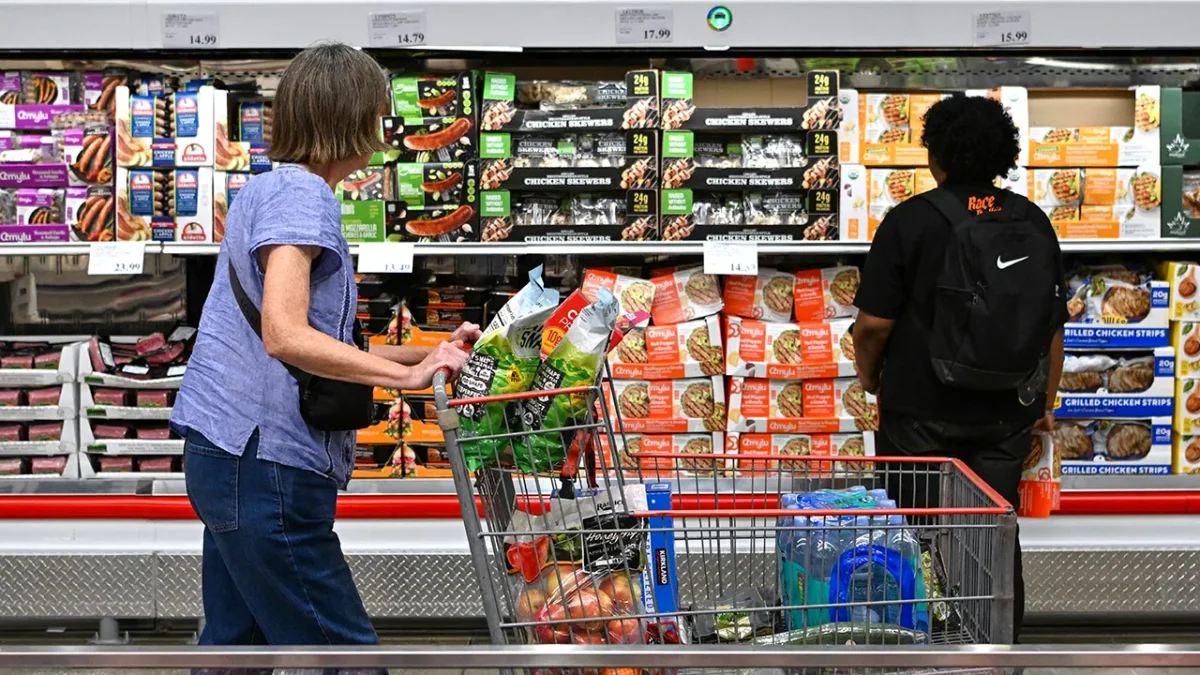
American consumers are facing a persistent inflation backdrop even after brief relief at the gas pump, as a Federal Reserve target of 2% inflation remains out of reach for several years. In an interview with Fox News Digital, The Conference Board’s chief economist, Dana M. Peterson, outlined a path for prices that suggests the 2% goal may not be achieved until sometime in 2028, with headline measures and underlying cost pressures staying elevated through the second half of the decade.
Peterson emphasized that the recent dip in energy costs is temporary in nature, while broader price pressures persist due to ongoing global trade frictions and geopolitical shocks. She noted that despite moments of relief, inflation is being driven by a combination of supply chain strains, housing costs, insurance, healthcare, and other services that have structurally shifted household budgets since the pandemic era.
Looking ahead, Peterson cautioned that the inflation trajectory will continue to influence consumers’ purchasing power. She said that headline personal consumption expenditures are likely to peak later this year as pass‑throughs from war-time shocks feed into consumer prices. While some inflation measures may show temporary improvements, the official 2% target appears unattainable by year‑end and probably not until 2028, she argued.
The economist described a changing pattern in consumer spending. With prices for durable goods and discretionary items still elevated, households are shifting toward essential buys and cheaper alternatives. This shift is evident in a greater emphasis on necessities and a move away from big‑ticket purchases as households adjust their budgets.
In June, The Conference Board, in collaboration with The Business Council, released a measure of CEO confidence that showed a decline in optimism. The survey of 141 chief executives revealed the overall confidence index dropping to 47 in the second quarter from 59 in the first quarter. Only 15% of CEOs viewed the economy as better than six months ago, down from 39%, while 47% judged conditions worse, up from 8%. About 40% expected conditions to worsen over the next six months, versus 13% in the prior quarter.
Peterson attributed much of the drop in CEO confidence to the period May 4–18, which coincided with heightened Middle East tensions. She noted that peace negotiations with Iran have commenced, which could alleviate some immediate worries but does not alter the broader inflation picture.
The survey also highlighted planned job cuts, with reductions concentrated in sectors investing in automation. Peterson argued that the declines are largely in areas where automation and technology can substitute labor, including finance, telecommunications, transportation, warehousing, and certain large online retailers where automation can substitute labor.
Despite these headwinds, she pointed out that wage growth remains higher on paper than pre‑pandemic levels, yet structural costs in housing, insurance, healthcare, and other services have eroded purchasing power and contributed to persistent price pressures. She stressed that while the economy shows resilience, the inflation challenge remains visible across households and firms alike.
Peterson stated that she does not expect the U.S. economy to slip into a downturn in the next six months, though growth could slow. She suggested that expansion in the 1.5% to 2% range remains possible, while a stall‑speed around 1% could heighten recession risks, though this is not her base case.
For investors, she advised focusing on labor market signals rather than day‑to‑day stock market swings. Unemployment claims have hovered near historical lows, and a rising trend in jobless claims would serve as an early warning of deteriorating conditions.
Overall, inflation dynamics remain resilient but uneven, with energy prices offering some temporary reprieve while broader cost pressures persist. Executives continue to anticipate tighter margins and slower demand in the near term, reinforcing a cautious outlook for households and businesses alike.


