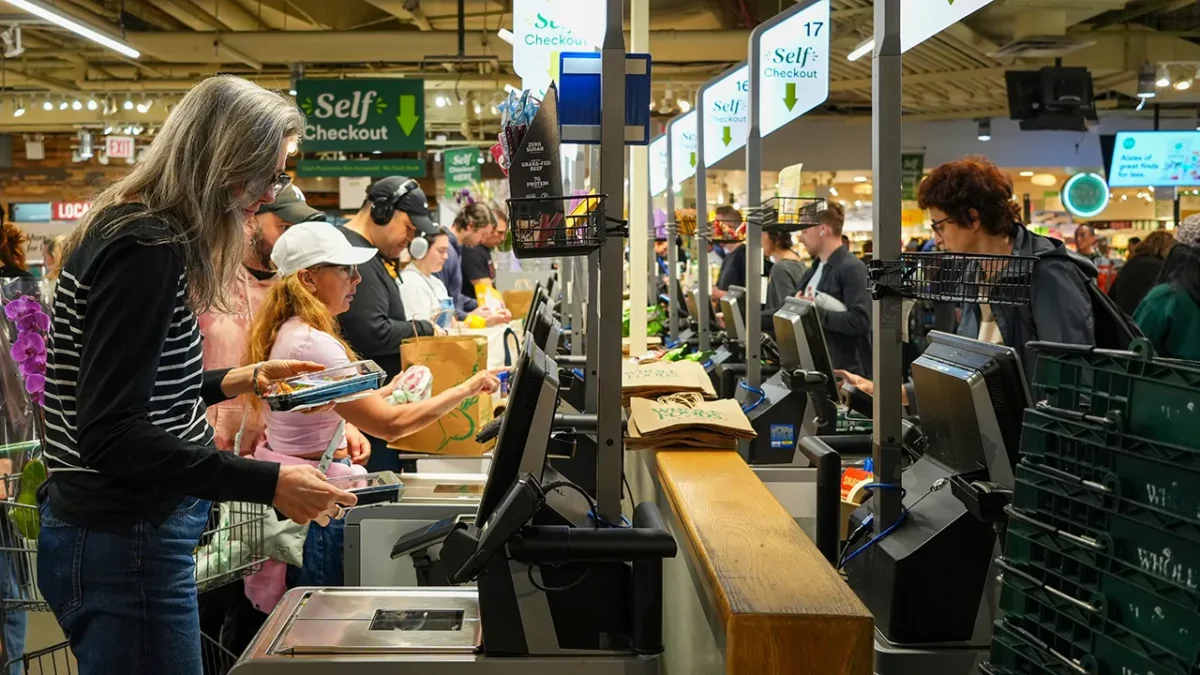
American households are feeling the bite of higher grocery costs, with Urban Institute data showing a 32% rise in food expenses over the last five years. The study finds that more than one in four working-age adults (ages 18 to 64) charged groceries to a credit card, and for a sizable subset those balances were difficult to repay beyond the minimum. The report notes that between 2023 and 2025 the share of grocery shoppers who charged groceries and did not make the minimum payment rose, signaling growing financial distress among families.
Grocery spending remains a dominant line item in household budgets, and prices have stayed elevated even as inflation has shown relief in some other categories. Analysts caution that price pressures persist, with supply-chain frictions and lingering effects from global trade shocks contributing to a slower path toward easing inflation. The Conference Board’s Dana M. Peterson told Fox Business Digital that inflation in food and related costs is unlikely to abate quickly, contributing to a prolonged period with price pressures above the Fed’s 2% target.
Urban Institute researchers also report that a substantial share of working-age Americans charged groceries to credit cards and did not pay the minimum in recent years. The data show that about 63.2% of working-age adults charged groceries to credit cards last year, and more than a quarter faced repayment challenges. Those hardest hit tend to be middle-income households, particularly those earning between 200% and 400% of the federal poverty level, where missed minimum payments on grocery-related credit card use rose notably from 2023 to 2025.
The findings underscore how access to credit and savings can help meet basic needs, but overreliance on borrowing for groceries may raise longer-term financial stability concerns if debt accumulates or savings do not rebound after drawdowns. As policymakers monitor inflation trends, observers note that food affordability remains a central concern for many households and may influence broader consumer spending patterns and balance sheets in the quarters ahead.
Overall, the report portrays persistent affordability struggles at grocery stores despite short-lived relief in other prices. The path to a stable inflation rate without wage gains or policy shifts remains uncertain, and the study’s authors emphasize the potential influence on consumer behavior and household finances in the near term.


