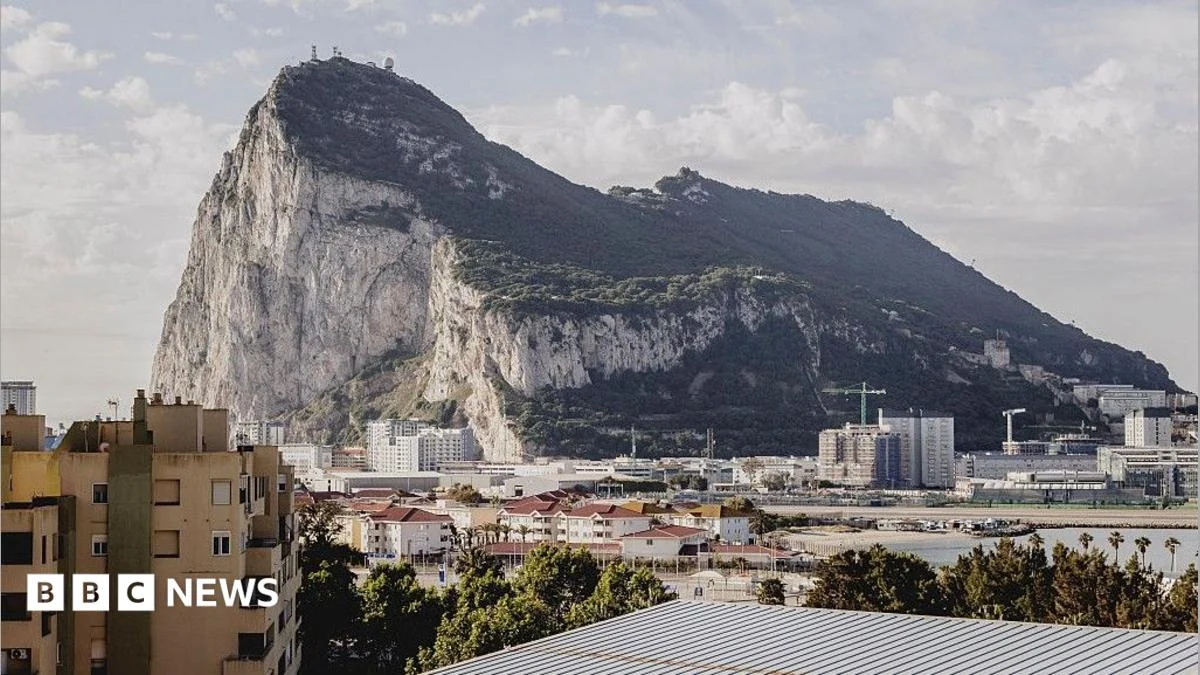
Gibraltar is set to enter a new era on 15 July as border controls with Spain are removed, a development that, after years of negotiation between the EU, Spain and the UK, is expected to ease daily life for thousands of cross-border workers, shoppers and residents. The British Overseas Territory, home to around 40,000 people, has long faced bottlenecks during the morning and early-evening rush hours when roughly 15,000 Spaniards who work in Gibraltar cross the frontier. The removal of the border, once implemented, will allow freer movement of people and goods between Spain and Gibraltar, marking a headline shift from the post-Brexit era’s complexity to a more seamless relationship with the EU.
Local residents such as La Línea de la Concepción’s Shilpi Chotrani welcome the change. "The fact that there is a border between us is ridiculous," she says, noting the cross-border ties that link families and businesses across the frontier. The Rock of Gibraltar rises behind her as the border dismantling ceremony advances, a symbol of the long history of sovereignty debates and the 13-year blockade Spain imposed after geopolitical ruptures in the late 20th century.
The new arrangement is the product of coordinated efforts to align Gibraltar with EU practices on customs and travel. Under the post-Brexit framework agreed with the EU and the UK, Gibraltar will join the European customs union and the Schengen area, changing how cross-border movement is managed and how goods are regulated. Travellers arriving from non-Schengen countries, including the UK, will present their passports to officials at Gibraltar’s port and airport. Gibraltar’s Chief Minister, Fabian Picardo, says the policy shift represents a "huge change" for the territory and its ties with Spain and the EU, describing it as the introduction of "complete and utter fluidity of people and goods" across the border.
Yet the transition incorporates a new tax regime. Goods sold in Gibraltar will be subject to a value-added-style tax equivalent regime, starting at 15% this year and gradually rising to 17%, with higher excise rates on certain goods. The change, tied to EU conformity standards, will require traders to adjust their paperwork and supply chains as part of ongoing compliance with EU standards. John Isola, managing director of the Anglo Hispano Company, cautions that while the arrangement could attract more visitors and business to Gibraltar, it also puts attention on competitiveness for importers and the administrative burden of the new regime.
The border fence that once defined the frontier has begun to come down in the run-up to 15 July, signaling a long-sought shift that many on both sides see as the natural evolution of Gibraltar’s economic and social ties with Spain and the EU. La Línea de la Concepción’s mayor, Juan Franco, points out the closely intertwined economies of the two towns, noting that for many local businesses, a substantial share of income comes from Gibraltar. He argues that the new approach could help redress some regional imbalances, particularly in a municipality where unemployment remains high by regional standards.
The new framework acknowledges sensitive aspects of sovereignty. Spain’s authorities have stressed that the changes do not threaten British sovereignty over Gibraltar, while Madrid, London and Brussels have framed the move as a pragmatic solution that reduces friction and supports regional economic activity. The overall objective is to permit freer travel and commerce while aligning Gibraltar with EU customs and regulatory norms, a compromise that has required careful diplomatic navigation since the UK’s 2016 referendum and the EU’s subsequent post-Brexit arrangements.
As the border controls are phased out, observers expect a rise in cross-border footfall and tourism, alongside greater movement of goods between Gibraltar, Spain and the broader EU market. Local businesses anticipate a more vibrant flow of customers and personnel, though they also acknowledge the administrative steps needed to ensure compliance with the new regime. The change could transform the economy of both Gibraltar and nearby La Línea, as the two communities adapt to a frontier that has historically defined the region’s social and economic landscape.


