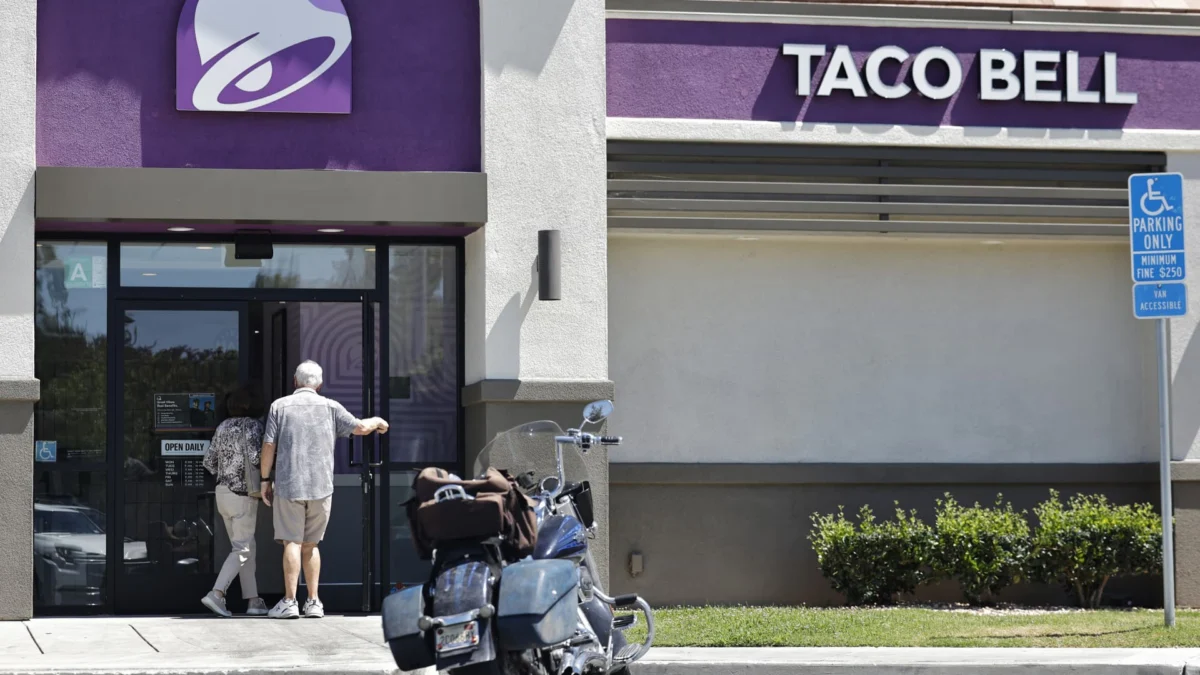
The cyclosporiasis outbreak linked to Taco Bell lettuce is unlikely to cause a lasting blow to the fast‑food giant or to its peers, according to market analysts. The Centers for Disease Control and Prevention traced the source of the illness to shredded iceberg lettuce used at Taco Bell locations in five states, and Taco Bell is actively removing the affected ingredients from its stores as a precaution. The episode has put a spotlight on food safety amid a broader industry backdrop of health scares, but investors and executives expect a contained impact.
The tally of cases has surpassed 1,600 across five states, according to the CDC. The infection typically presents two to three weeks after exposure, and there have been no reported deaths. The agency’s investigation identified shredded iceberg lettuce served at Taco Bell outlets in Indiana, Kentucky, Michigan, Ohio and West Virginia as the likely source. The U.S. Food and Drug Administration is coordinating with the supplier to determine whether other shipments carried the same lettuce.
Taco Bell’s parent company, Yum Brands, saw its stock retreat about 7% over the past five trading days as news of the outbreak weighed on sentiment. Other companies that market fresh lettuce also faced shares declines; for example, Sweetgreen fell sharply earlier in the week, while Cava slumped more modestly. Relief movements occurred later, with Sweetgreen and Cava recovering more than 17% and roughly 2%, respectively, on Friday after the CDC signaled that their products were not implicated.
Analysts argue that the short‑term impact is likely limited to the affected toppings, not the core meat offerings that drive Taco Bell’s sales. The situation resembles past health scares where the effect on revenue and stock prices faded within a few weeks. Evercore ISI noted that the issue could shift from a vendor problem to one tied more clearly to the supplier as headlines move away from Taco Bell itself.
In the coming weeks, some regions may experience a dip in demand, especially in the Midwest, but Evercore’s note suggested Taco Bell could return to positive same‑store sales growth within weeks, paralleling a rapid rebound seen at McDonald’s in 2024. TD Cowen and other analysts highlighted that the outbreak’s impact tends to be temporary when no fatalities or brand‑level ties are established, with a typical one‑to-two‑quarter demand air‑pocket followed by normalization.
The supply chain context remains important. Reports point to Taylor Farms as the lettuce supplier linked to the outbreak, though Taylor Farms did not respond to CNBC's request for comment. Taco Bell said it is voluntarily removing potentially affected lettuce from its supply chain in select states and will replace it within 24 hours where needed. The company also noted that iceberg lettuce is not used on all menu items, potentially limiting broader exposure.
Market watchers will be watching the downstream effects on foot traffic and sales, but the broader consensus is that the outbreak will not become a sustained drag on performance for Taco Bell or its peers. Analysts expect a rebound as the sector’s food‑safety narrative shifts away from the immediate headlines toward normalization and continued menu execution.
As the investigation progresses, the industry will assess whether any other chains become linked to the outbreak. The current view remains that the issue is contained to specific toppings rather than core products, and the emphasis will be on transparent communication, supplier accountability, and rapid remediation to restore consumer trust.


