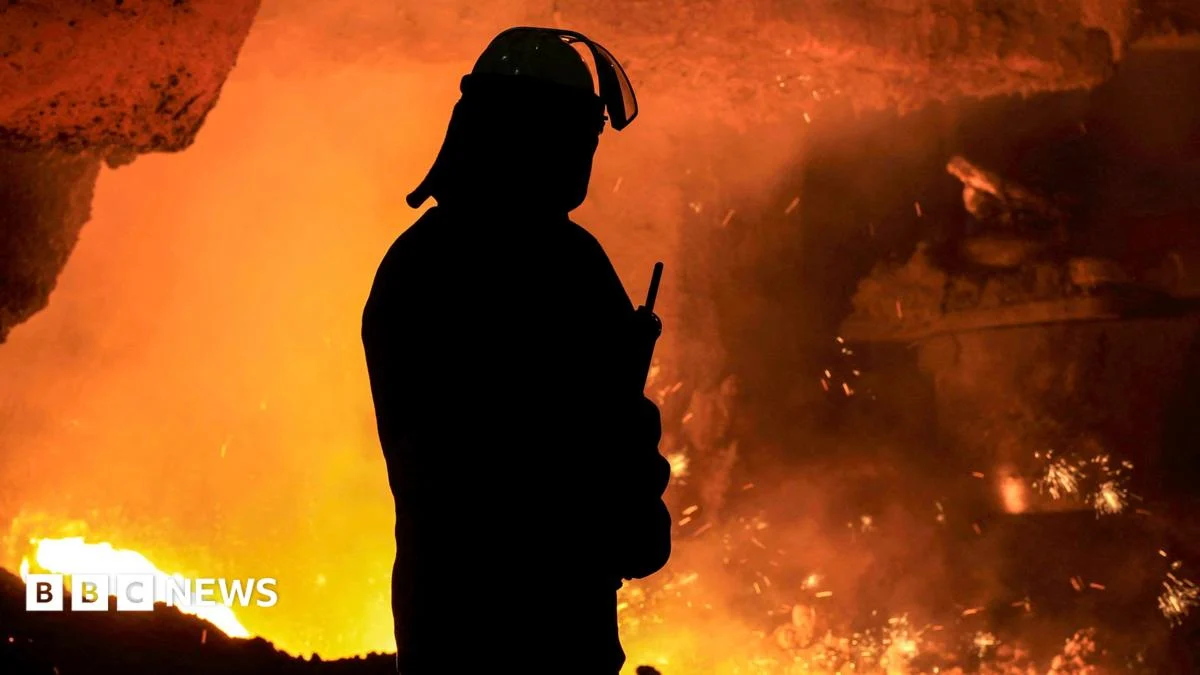
British Steel has been brought into public ownership in a move the government says will protect jobs and safeguard a vital national capability. The decision places the Scunthorpe steelworks, which employs about 2,700 people and supports numerous allied industries in North Lincolnshire, on a footing that allows the government to determine its future while keeping the blast furnaces running. The government had already taken control of Scunthorpe’s operations last year, though the plant remained under ownership of China’s Jingye Group, which constrained the state’s ability to steer strategy.
Nationalisation buys time and gives ministers the power to shape the plant’s fate, with the objective of maintaining production of virgin steel. An older asset base means the remaining furnaces face high restart and refurbishment costs if halted. The National Audit Office (NAO) had noted in March that Scunthorpe was costing the government around £1.3 million a day, underscoring the financial strain of keeping the plant open.
Parliament passed legislation on Wednesday authorising the government to bring the steel industry into public ownership under a public-interest test. Jingye is seeking compensation for the nationalisation, having previously reported the business was losing about £700,000 a day. The government, represented by Business Secretary Peter Kyle, said it would cover running costs “for the immediate future” and would appoint an independent assessor to determine compensation based on the company’s value. Kyle also warned that there is an alternative—letting the business go bust—if no viable path forward could be found, stressing that losing virgin steel production would leave the UK without its own source of this material.
The plan aims to keep Scunthorpe’s blast furnaces operating because they currently produce steel not replicated elsewhere in Britain, much of which is used by Network Rail and the construction industry. If production ceases, the country would risk becoming wholly dependent on imported steel for a period. While long-term ambitions favor electric arc furnaces that recycle scrap and offer lower carbon emissions, the government does not want to abandon Scunthorpe ahead of alternatives being ready. The plant also serves as an economic anchor in North Lincolnshire, with potential ripple effects for suppliers and downstream manufacturers.
Industry voices welcomed the move. Simon Boyd, managing director of Reid Steel in Dorset, told the BBC that the nationalisation was necessary and that Jingye had been undermining the plant’s infrastructure, prompting government intervention. He cautioned that substantial investment will be needed over a decade or more before any return is visible, but he framed the transfer as a gain for the British public rather than private owners.
The government’s stance emphasises the national interest in maintaining UK steel production, with officials arguing that without Scunthorpe’s capability, Britain would struggle to maintain a domestic virgin-steel supply. The decision keeps the plant operating at least until viable, lower-cost alternatives become available, and it preserves jobs across the region while broader industrial strategy is worked out.


