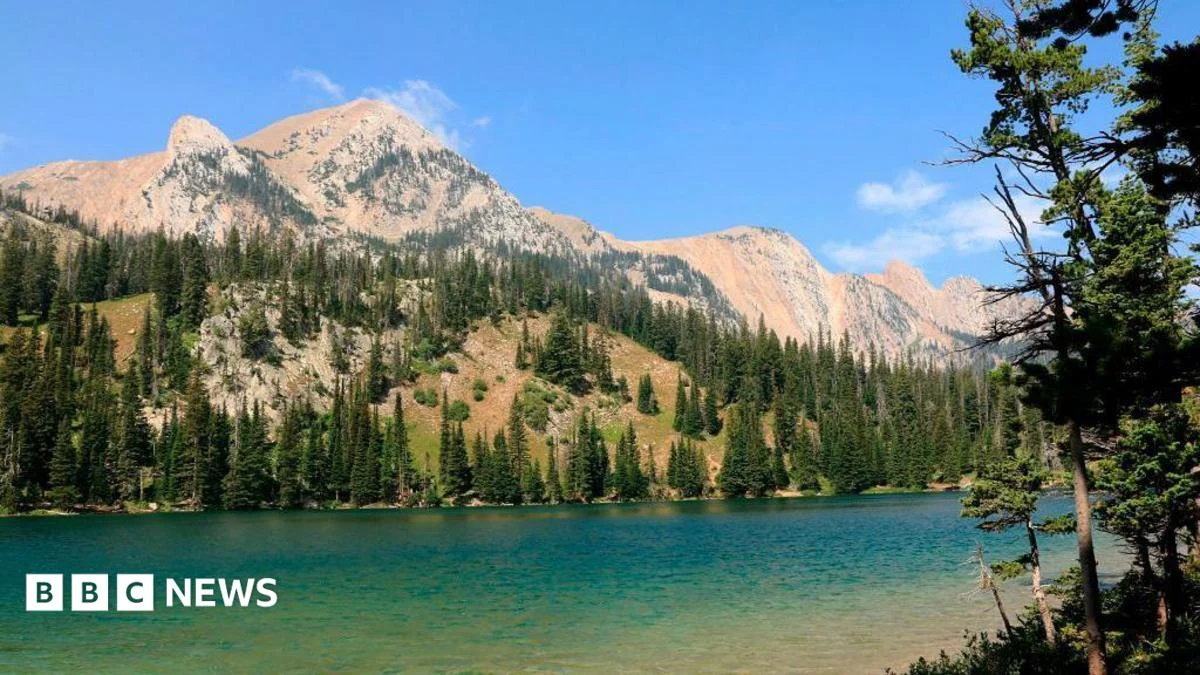
Grandmother Sara Folger sits in the kitchen of her single-wide trailer in Bozeman, Montana, as the Rocky Mountains loom in the distance. Decades ago, Folger recalls, the city was a mix of “back-to-the-land hippies, college students, cowboys and ski bums. ” Today, the streets are filled with construction, orange cones, and out-of-state license plates.
Since the pandemic, Bozeman’s population has grown by about 20%, a jump in a city that had fewer than 50,000 residents in 2019. The surge is linked to a combination of rugged individualism-driven appeal, favorable taxes, and a migration from high-cost coastal regions. Mark Corner, president of Southwest Montana Realtors, says home values have jumped about 40% in two years, with prices continuing upward.
He adds that the influx has drawn development and cash bids from buyers outside Montana, accelerating a housing market where locals struggle to reach ownership. The airport has emerged as a symbol of Bozeman’s growing wealth corridor: Corner notes that on many days there are 80 to 100 private jets on the tarmac, largely ferrying Yellowstone Club guests to the region’s luxury enclaves. A broader wave of out-of-state buyers bid on properties sight-unseen during Covid, prompting the state’s REALTOR association to add a disclosure form addressing this reality.
The resulting demand has also pushed rents higher, with one-bedroom units commonly listed at about $2,000 a month or more, squeezing households on modest incomes. Downtown’s transformation mirrors the housing squeeze, as boutiques, steak houses, and upscale outlets replace longtime local businesses. Bozeman’s political landscape has shifted; Mayor-elect Joey Morrison, elected in November 2023 at age 28 on a platform centered on affordable housing, describes a market where rents and home prices surged rapidly, threatening long-term residency for core residents.
Morrison compares the climate to a city where even coffee shops are filled with workers who might never have stepped foot in Montana before. A notable driver of outsider interest is what residents and analysts term the “Yellowstone Effect”: transplants drawn to Montana by the fictional drama Yellowstone, which has helped alter perceptions of the state. Jeff Michael, director of the Bureau of Business and Economic Research at the University of Montana, says the show’s popularity has fed belief that Montana is a place of dramatic scenery and economic opportunity, contributing to higher housing demand.
Corner emphasizes that the market has seen “our home values jumped 40% in two years,” underscoring the rapid appreciation that outpaced local incomes. The downtown shift is visible in vacant storefronts giving way to pricey amenities and tourist-focused retail, while a separate wave of development accelerates the supply of rental housing. The Montana real estate market also features a surge of rental units, with private-sector builders and investors focused on Bozeman as a magnet for outdoor recreation and a prestige address.
The airport renovation and the presence of private traffic signal a broader trend: money arriving in Bozeman is not only for permanent relocation but also for ownership of second homes and investment properties in nearby luxury areas such as Yellowstone Club in Big Sky. Analysts point out that Covid-era buyers often paid cash, leaving local buyers at a disadvantage and convincing the state Realtor association to introduce new disclosures for out-of-state bidding. The housing strain has moved into the mobile-home sector, where two parks organized a rent strike in May—the first such action in Montana in 50 years—after a roughly $100 per-month rent increase.
Folger notes that the park’s sale and new California-based management create uncertainty for residents and their homes, warning that a mobile home cannot easily be moved after years of occupancy. Ben Moore, a Mountain Meadows resident, adds that relocating a trailer is not simple. As Morrison’s administration and a new generation of leadership gain traction, other youth in the state have sought roles in policy and public office; Katie Fire Thunder, 25, was appointed to Montana’s House of Representatives in December, while Sam Forstag, 31, won the Democratic nomination for Montana’s 1st congressional district.
Fire Thunder says current leaders are not protecting ordinary residents and advocates for policies benefiting working families rather than wealthier outsiders. In Bozeman’s core, the contrast between wealth and affordability remains sharp: at JW Heist, a Main Street restaurant near MSU, a dinner guest notes a whiskey pour priced at $170, contrasted with cheaper experiences elsewhere. The city’s tug-of-war over growth, housing, and the social fabric continues as residents and policymakers confront questions about stability, the character of Bozeman, and the sustainability of a community attracting both aspiration and pressure.


