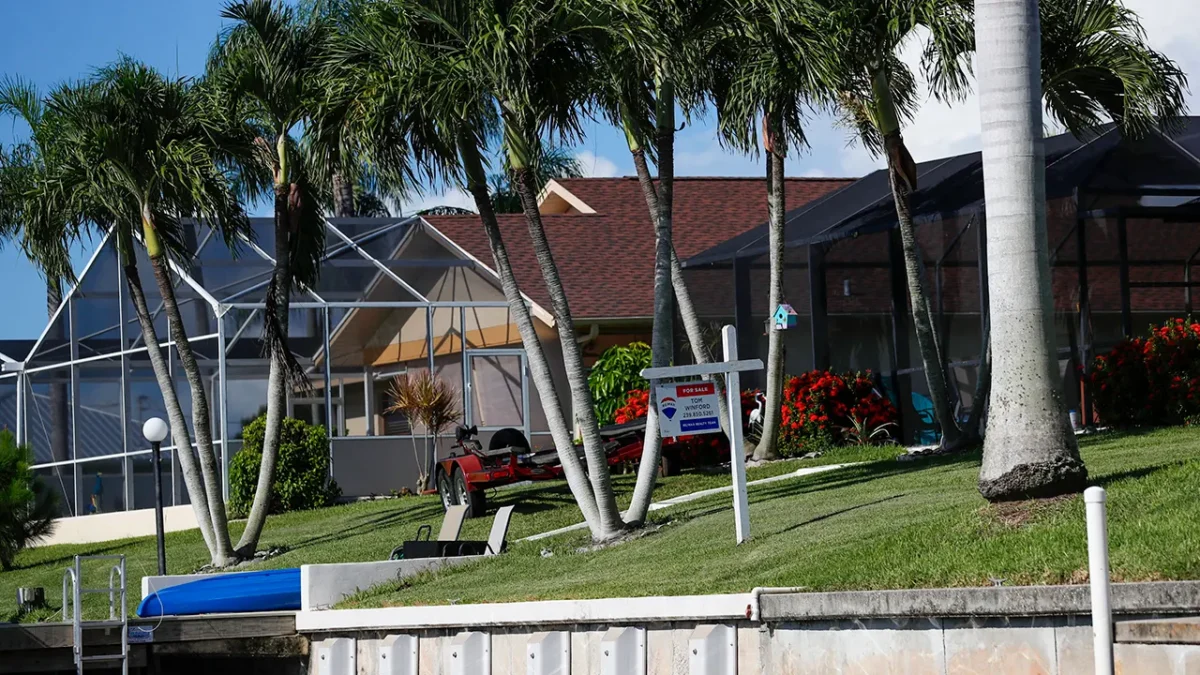
A surge of residents from the Midwest has helped propel a rapid growth wave along Florida’s Gulf Coast, with Sarasota County at the center of a demographic shift that is reshaping housing markets and local economies. Florida’s Bureau of Economic and Business Research (BEBR) reports a 12.4% population increase over the five years to April 2025, underscoring a trend that predates the pandemic but accelerated as remote work became more common.
Realtor.com senior economist Hannah Jones told FOX Business that the spike reflects a long-standing convergence of factors along the I-75 corridor: calmer beaches, access to the Gulf, and a pace closer to the Midwest than to coastal megacities like Miami. She added that the surge is a “confluence of factors that have been building for decades.”
Data from the Census Bureau shows that about 1,585 people from Michigan relocated to Sarasota County between 2018 and 2022, with Illinois contributing 1,399 transplants and Ohio adding 1,282. BEBR data paints a broader picture: a net inflow of 72,493 residents to Sarasota from 2020 to 2025, highlighting how sustained migration has reshaped the region.
IRS county-to-county flow data for 2022-23 indicate roughly 5,300 Midwesterners relocated to the Sarasota area, accounting for about 17.5% of incoming residents, making the region the second-largest source of new residents after the Northeast. This influx initially overwhelmed the local housing market, described by Jones as a demand wave that caused inventory to crater and prices to spike, with some buyers willing to waive contingencies and close quickly.
Florida’s housing affordability picture has shifted as a result. The report notes that income needed to afford a median-priced home has nearly doubled since 2020, reflecting both rising prices and a surge in demand during the pandemic when Florida’s economy remained relatively open. Despite the higher price tag, Sarasota remains in demand; the median listing price reached about $487,000 in May 2026, versus about $400,000 in nearby Tampa and $399,000 in Cape Coral.
Jones pointed out that supply responses came partly through new construction, but the condo market, in particular, had outpaced post-pandemic demand, leaving that segment softer even as single-family inventory has since tightened. Yet the underlying draw to Sarasota County hasn’t changed, even as the market recalibrates. The area is transitioning from a regime that punished hesitation to one that rewards timely decisions, according to Jones.
The Florida trend appears to be reshaping regional dynamics, raising questions about how long the current price-adjustment phase will last and how ongoing migration will affect local job markets, infrastructure, and services as more residents settle into the Gulf Coast’s new growth corridor.


